24 December 2017 — Rising from the ashes
Sent 24 December 2017. Part of Little Blue Letter.

~ Wyland
NASA scientists have extended the life expectancy of a Tongan island from just a few months to 6-30 years. The island, unofficially known as Hunga Tonga-Hunga Ha’apai, was born in January 2015 as the ash settled from an underwater volcano eruption. Ash plumes reached as high as 30,000 ft (9 km) and created a new island with a 120-meter summit.
The island is the first of its kind to erupt and persist in the modern era of satellites, giving scientists a unique glimpse into its early life and evolution. High-resolution satellite observations have already uncovered novel insights into the longevity and erosion that shapes new islands. Scientists hope the research will shed light on similar features on Earth and may even tell us if (and how) life developed on Mars.
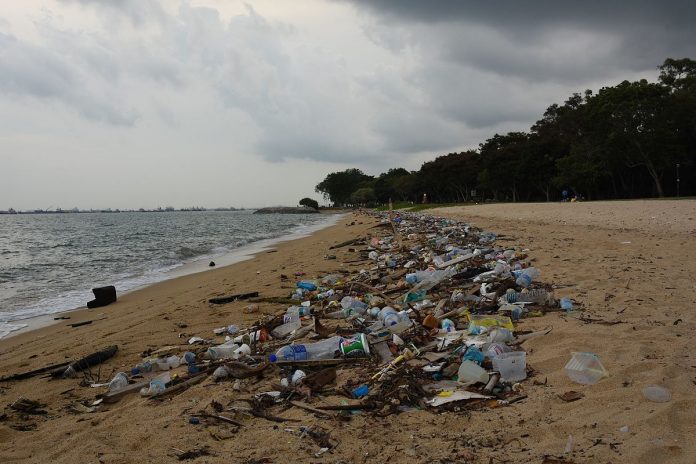 The island will eventually be eroded by waves, but whether it last 6 or 30 years depends on how fast this happens. Erosion rates in the first 6 months of the islands existence varied considerably and the island has shown massive changes in size and shape, but has now stabilised.
 Merry Christmas Crabs
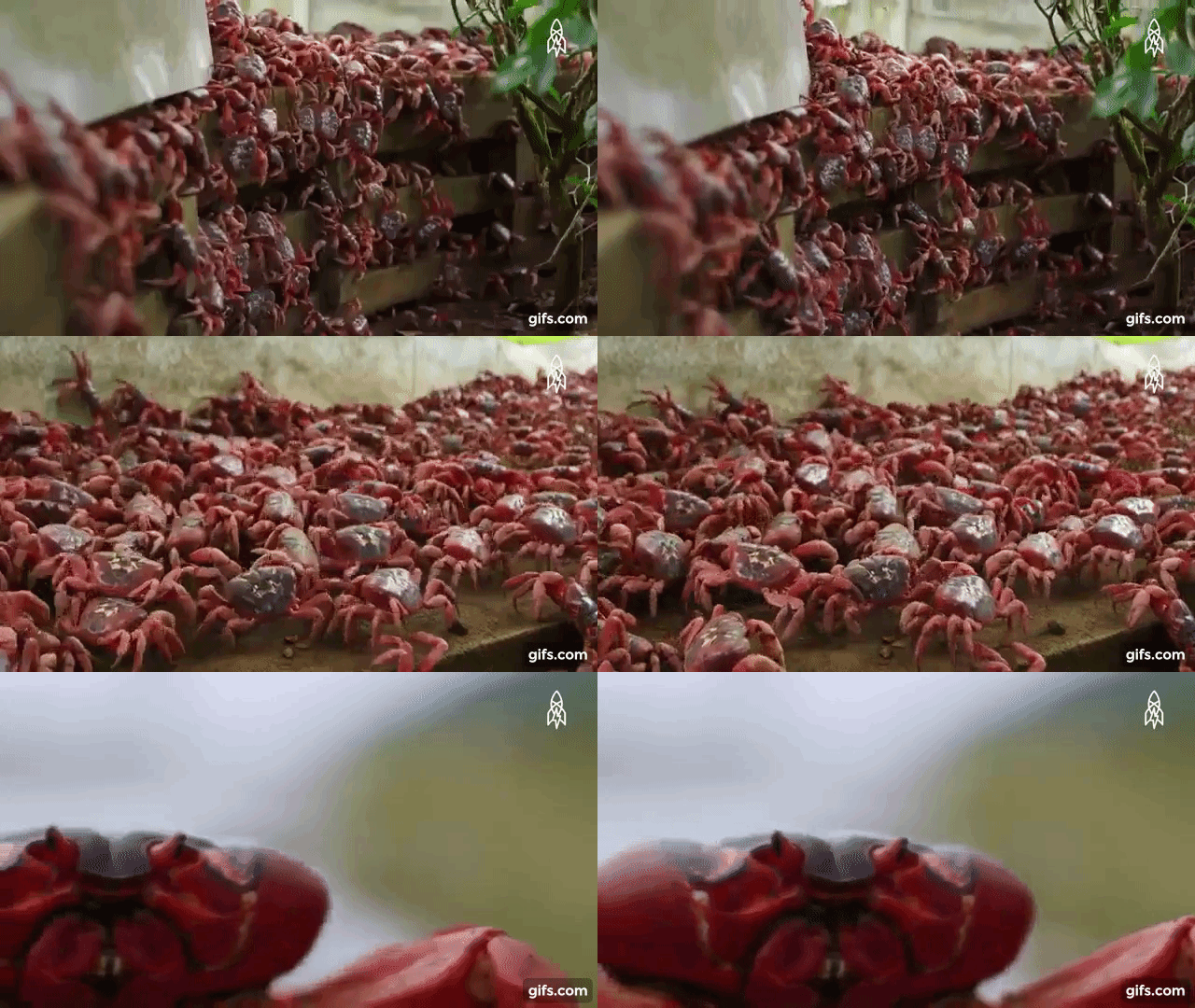
Each year, the 40-50 million bright red crabs that live on Christmas Island undertake a spectacular migration from the forest to the coast to breed and release eggs into the sea. This year’s spawning event took place from 13-15 December.
Island life
Islands and their surrounding marine areas are home to many plants and animals that are found nowhere else on Earth. They provide rest stops for migratory shorebirds and are the foundation of some of the most pristine coral reef ecosystems on the planet. A recent study confirmed that islands have more unique species than similar sized mainland areas.
Yet islands are under threat. Island species make up half of the extinctions in the last 400 years, and many islands are shrinking or even disappearing with rising sea levels. Future generations will likely only survive if we tackle climate change, locally and through global efforts, while the present generation may need to consider large-scale reclamation and providing legal recourse for citizens of island nations.
#OceanOptimism
Sea2See is making fashionable eyewear from ocean plastic, working with local fisherman to bring in plastic waste with their daily catch. Fishermen bring in about a tonne of plastic from the California coast every three days, over 90% of which can used to make glasses. Each pair of glasses uses around 10 kg of marine litter!
From the editor
My apologies for the delay in getting the newsletter to you this week. As is the modern tradition, my plans were derailed by travel delays and last-minute holiday stresses. 'Tis the season. But I'm a firm believer that late is better than never, and I thought you'd still like a bit of ocean-themed night-before-Christmas cheer. Next week, a roundup of the year in marine conservation.
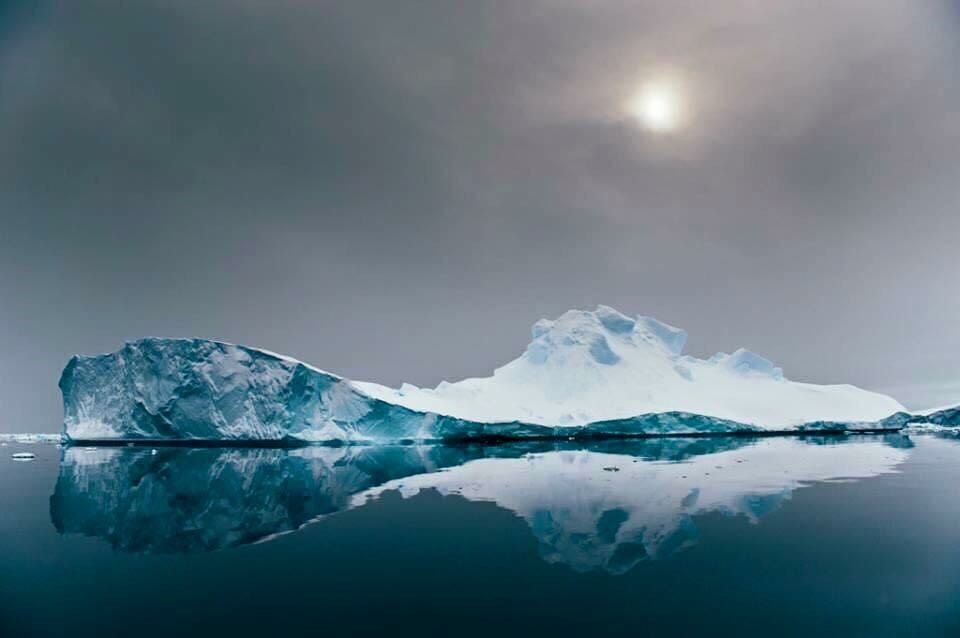
Little Blue Letter was curated this week by Caitie Kuempel. Caitie is a PhD Candidate at the University of Queensland. She is passionate about science that influences conservation policy and management actions, and loves exploring the wilderness beneath the wave.
Editing etc. by Glen Wright. Glen is a researcher studying marine governance, the high seas, and ocean energy. He is a drinker of tea, lover of the sea, and an Oxford comma user. Glen recently published Academia Obscura: The Hidden Silly Side of Higher Education.
Little Blue Letter is a splash of uplifting ocean stuff, lovingly curated by young ocean leaders and shipped straight to your inbox every Friday. Pass it on, encourage other ocean lovers to sign up, and follow on Twitter.
Enjoy Reading This Article?
Here are some more articles you might like to read next: