23 July 2021 — Celebrating the mighty mangrove 🌱🌊🌍
Sent 23 July 2021. Part of Little Blue Letter.

Celebrating the mighty mangrove 🌱🌊🌍

Garth Cripps © Blue Ventures
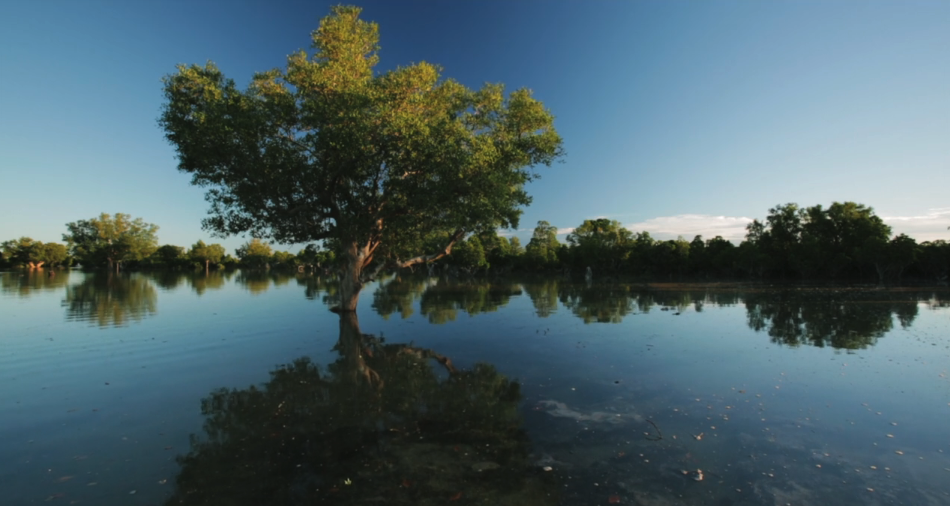
As the only forests that can grow in saltwater, mangroves are already an exceptional tree. They provide habitats for all manner of marine life, including fish, shrimp, crabs and megafauna, they protect shorelines against storm surges and underpin livelihoods for millions of coastal people and small-scale fishers around the world.
But the magic doesn’t stop there – mangroves are the ultimate natural solution to the climate crisis. By locking away exceptional amounts of CO₂ in their roots and sediments, these supertrees play a vital role in reducing the impacts of climate breakdown.
Not only is this good news for nature, but it’s also good news for people too. Coastal communities that live amongst the mangroves and are committed to protecting them, have the opportunity to tap into the international carbon trading market and earn an income from the sale of ‘blue carbon’ credits.
Learn more about communities in southwest Madagascar that are doing just that in this short film from Blue Ventures 👇
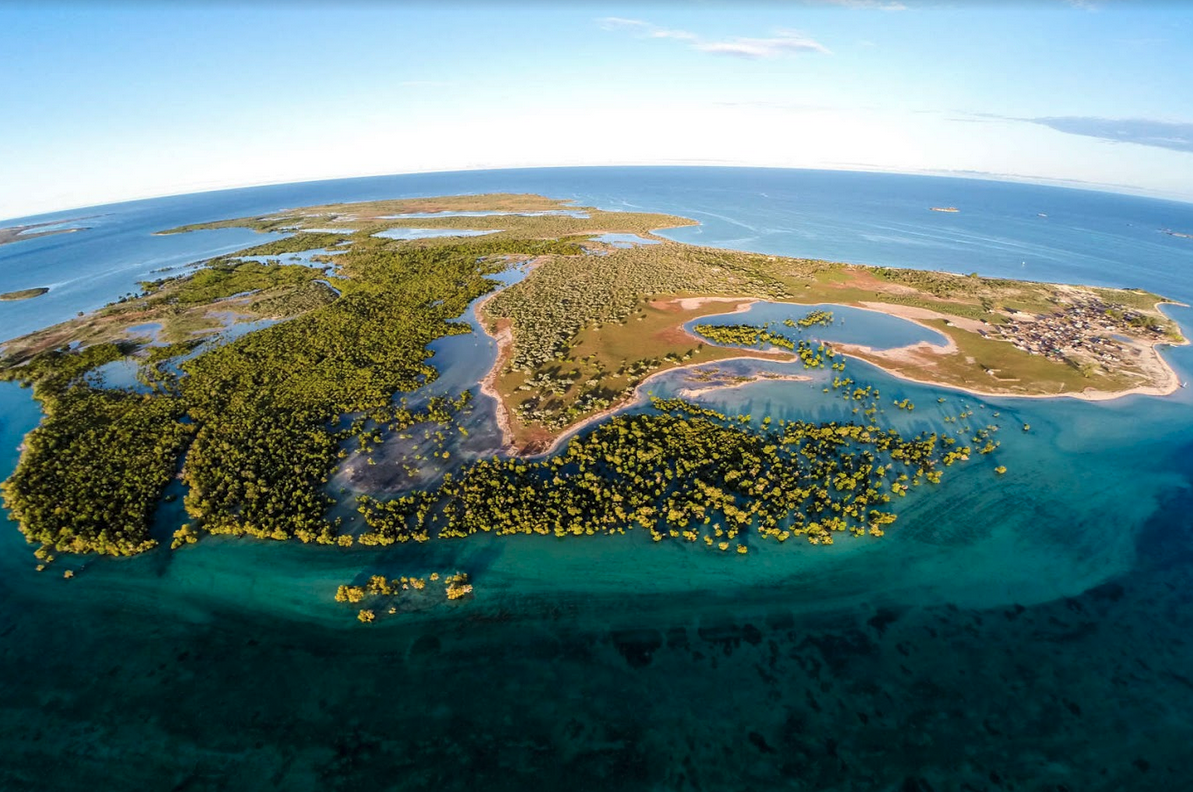
Watch Tahiry Honko - How a community-led conservation project delivers benefits beyond mangroves
#OceanOptimism
- In the Sunderbans mangrove forest, spanning Eastern India and Bangladesh, young people are leading their communities to protect the ecosystem by carrying out cleanups and replanting mangroves on the most degraded islets. These young people are learning to become local stewards of the forests and passing their knowledge on to the wider community.
-
The Google Earth Engine Mangrove Mapping Methodology (GEEMMM) – a new tool which has been developed by Blue Ventures – is enabling coastal managers to map and monitor mangrove extent and change. Crucially, the GEEMMM brings an improved level of localised accuracy, creating new opportunities for coastal communities developing mangrove conservation and blue carbon projects at the local level.
Gif of the week
Scale model showing how mangrove forests protect the coast from wave erosion
Mangroves limit the effects of turbulent tides, acting as a barrier between that protects coastal communities.
Join the conversation
-
On Wednesday 28th July, join Blue Ventures, Mangrove Action Project (MAP), and Mikoko Pamoja for an interactive online discussion sharing learning and challenges from locally led mangrove management, called Toko telo: What does best practice in community-led mangrove management look like?. The event will kick off with a panel discussion from three mangrove experts from around the world, followed by breakout sessions in English, Bahasa Indonesia and French.
-
The Indian Ocean Rim Association is hosting a virtual meeting at the beginning of September exploring blue carbon initiatives across the Indian Ocean region. From Madagascar to Bangladesh, experts will share their experiences of engaging in and leading blue carbon initiatives.
On the Box
Revisit Sir David Attenborough’s A Perfect Planet: Oceans episode for an exploration into the deep blue. Encounter a tiny yet flamboyant cuttlefish in the reefs of Indonesia, magnificent Eden’s whales in the gulf of Thailand and curious young sharks finding refuge in the mangroves of the Bahamas.
Enjoy Reading This Article?
Here are some more articles you might like to read next: