18 January 2018 — EU joins the war on plastic waste
Sent 18 January 2018. Part of Little Blue Letter.

"If we don't change the way we produce and use plastics,
there will be more plastics than fish in our oceans by 2050"
there will be more plastics than fish in our oceans by 2050"
~ Frans Timmermans (Vice President of the European Commission)
Whale highway
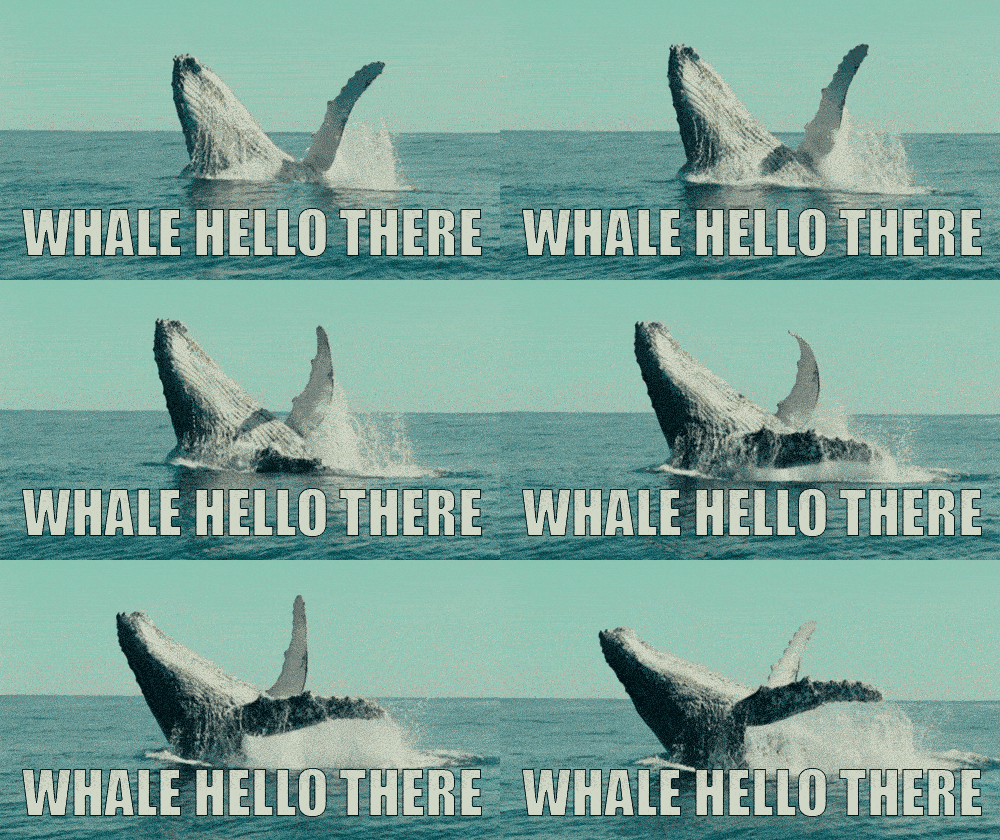
At the 2017 Our Ocean conference, the Spanish Government committed to designate almost 5% of its waters as a “Cetacean migration corridor of the Mediterranean”. The government is set to officially announce the marine protected area (MPA) within the next 6 months. The corridor will cover 46,000 square kilometres of the Mediterranean Sea – about half the size of Portugal. With this new MPA, 13% of Spanish waters will be protected.
 Aliança Mar Blava, an intersectoral platform comprising a range of stakeholders and institutions, has been actively promoting the initiative since 2015, arguing that an MPA is needed to reduce pressure from human activities (fishing, maritime traffic, etc.). The area will provide habitat and a migratory corridor for a range of mammals, including fin and sperm whales, as well as deep divers, such as pilot whales and Cuvier's beaked whales.
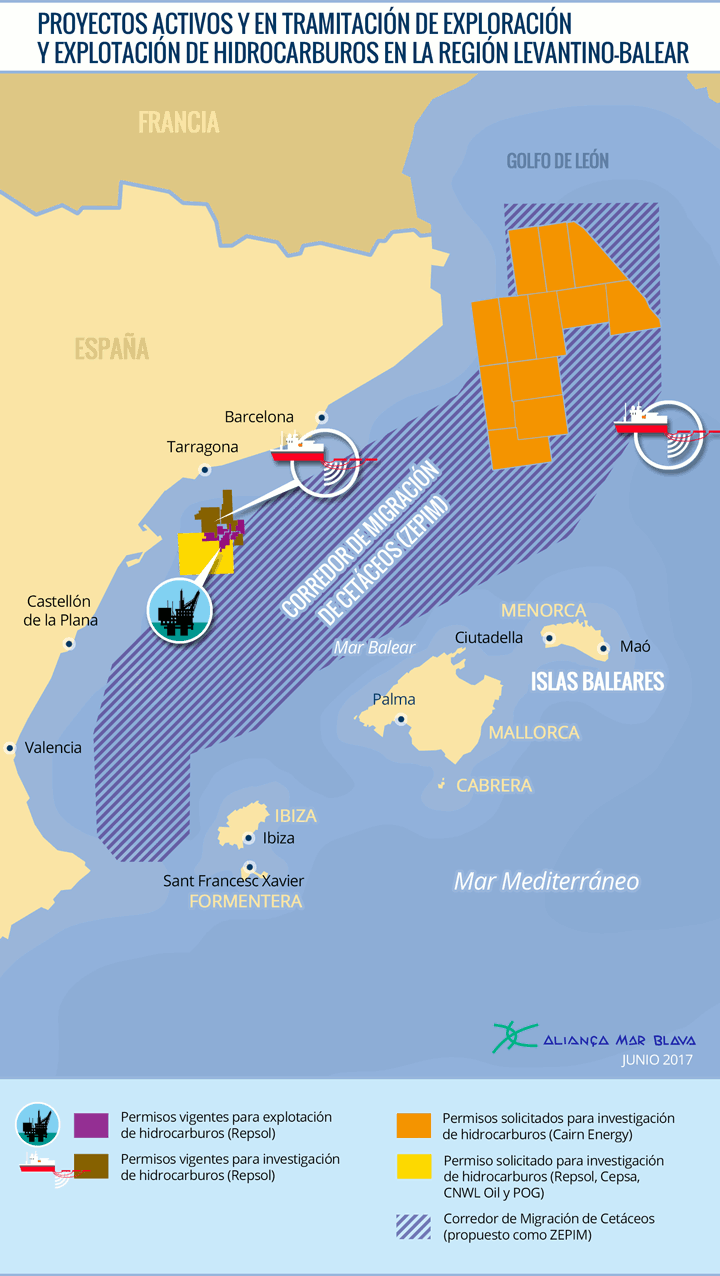 Crucially, the protection regime will completely prohibit fossil fuel exploitation and harmful seismic exploration. The Spanish government must therefore shelve all ongoing hydrocarbon prospection and applications for hydrocarbon research permits. This move has not been without controversy. But in the end, the decision is good news for whales, and for the thousands of concerned citizens who rallied against the development of offshore oil and gas.
EU joins the war on plastic waste
The first European strategy on plastics was adopted this week. The strategy takes a “circular economy” approach, focussing on transforming the entire plastics industry. The aim is to make recycling profitable, drive investment and innovation and, ultimately, stop marine waste.
Disposable cotton buds with plastic handles quickly clog waste water systems, choke marine life, and are one of the most common items found on beaches. Scotland’s decision to ban them completely should therefore come as no surprise. You can do your bit by switching to paper cotton buds. No plastic waste, just as satisfying.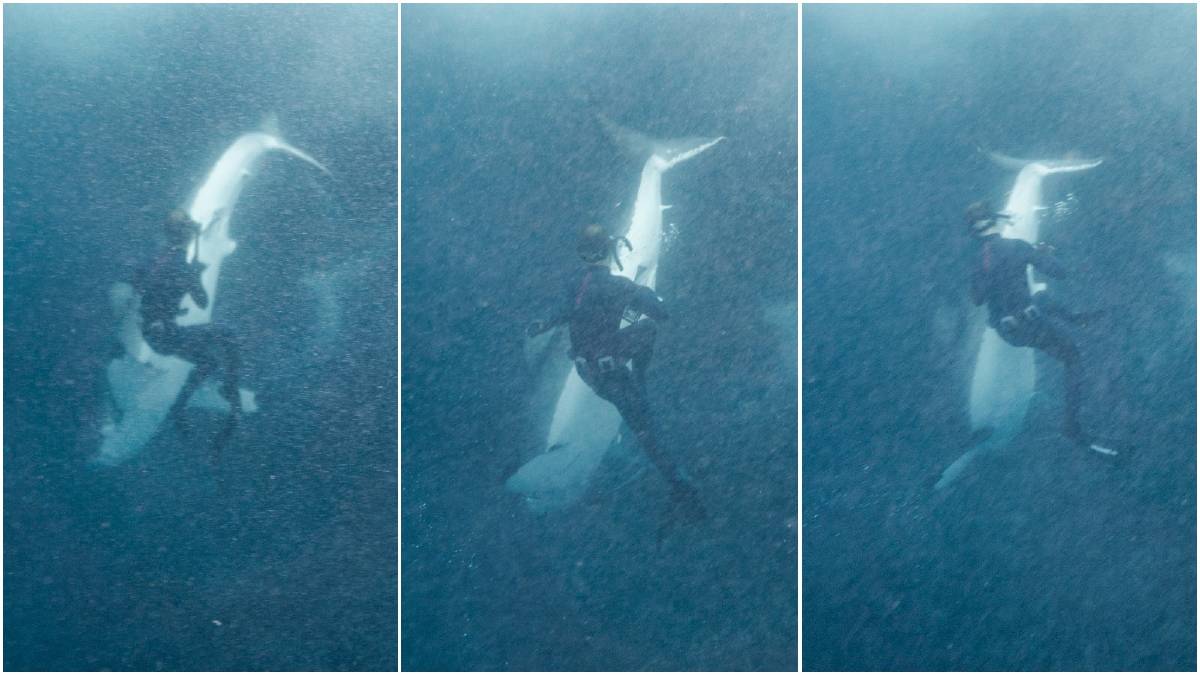
Ocean opportunities
From the editor
Great to see Spain stepping up and meeting their commitments. Along with the Pelagos Sanctuary, this will hopefully give Mediterranean whales a bit more room for manoeuvre. Meanwhile in Australia, a freediver emerged unscathed after a face-to-face encounter with a great white shark. The 3.5-metre fish snatched a fin from Callum Stewart's foot as he swam amongst a group of seals: “I was kind of caught up in the beauty of it... I realised later, it had my fin in its mouth.”
At the 2017 Our Ocean conference, the Spanish Government committed to designate almost 5% of its waters as a “Cetacean migration corridor of the Mediterranean”. The government is set to officially announce the marine protected area (MPA) within the next 6 months. The corridor will cover 46,000 square kilometres of the Mediterranean Sea – about half the size of Portugal. With this new MPA, 13% of Spanish waters will be protected.
Aliança Mar Blava, an intersectoral platform comprising a range of stakeholders and institutions, has been actively promoting the initiative since 2015, arguing that an MPA is needed to reduce pressure from human activities (fishing, maritime traffic, etc.). The area will provide habitat and a migratory corridor for a range of mammals, including fin and sperm whales, as well as deep divers, such as pilot whales and Cuvier's beaked whales. Purple: exploitation permit; Brown: research permit;
Orange & Yellow: Request for research permit.
Orange & Yellow: Request for research permit.
EU joins the war on plastic waste
The first European strategy on plastics was adopted this week. The strategy takes a “circular economy” approach, focussing on transforming the entire plastics industry. The aim is to make recycling profitable, drive investment and innovation and, ultimately, stop marine waste.
Bathroom blues
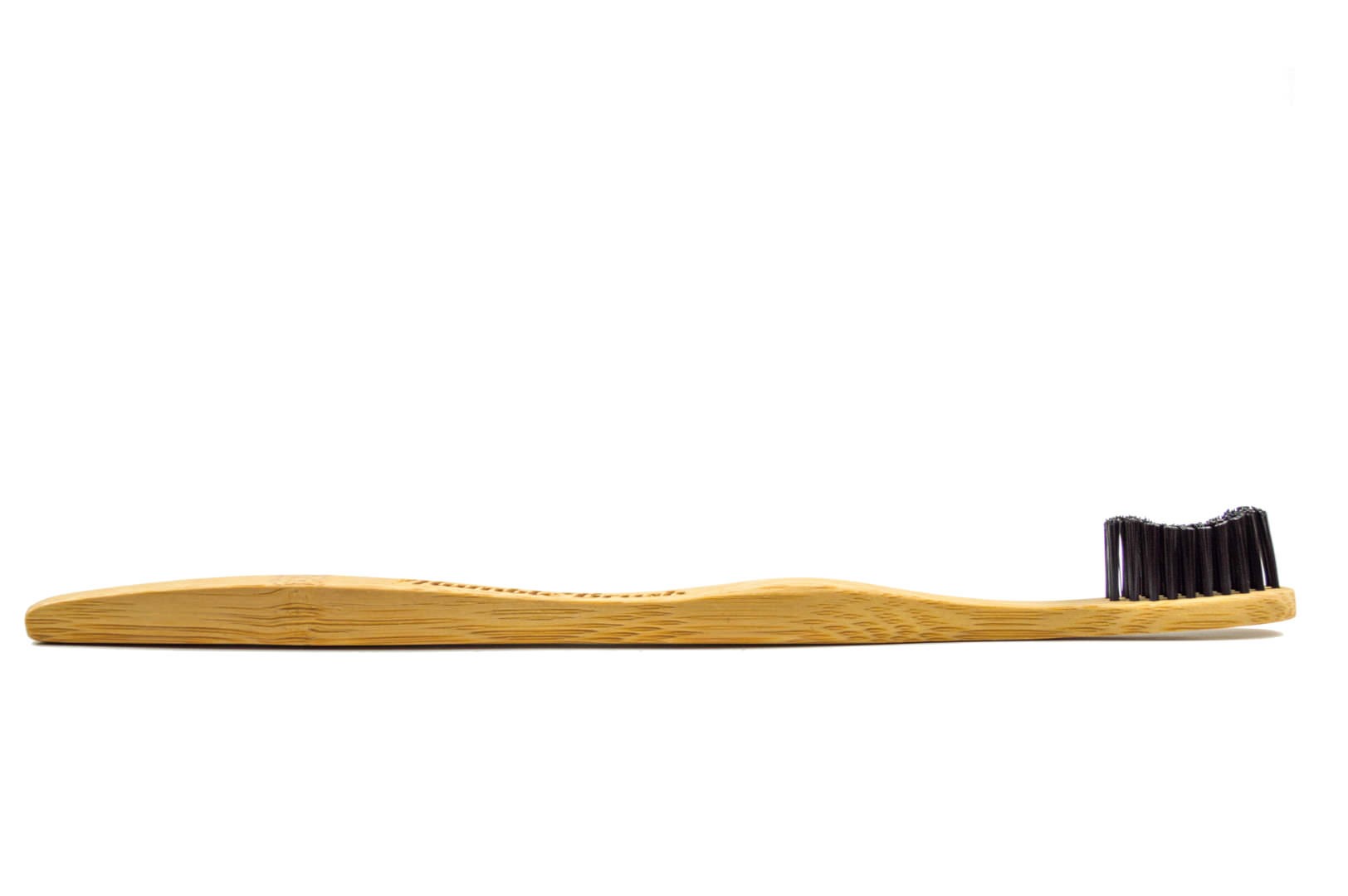
Around 25.8 million tonnes of plastic waste are generated in Europe every year. In previous editions, we’ve mentioned bamboo toothbrushes and the GUPPYFRIEND Washing Bag. This week, we look inside your ears (figuratively speaking).Disposable cotton buds with plastic handles quickly clog waste water systems, choke marine life, and are one of the most common items found on beaches. Scotland’s decision to ban them completely should therefore come as no surprise. You can do your bit by switching to paper cotton buds. No plastic waste, just as satisfying.
Seahorses ride the ocean currents by grasping floating objects with their tails.
This incredible photo was taken during a spontaneous snorkelling session in Borneo.
This incredible photo was taken during a spontaneous snorkelling session in Borneo.
Ocean opportunities
- The Ocean Solutions Accelerator: a startup development and executive leadership course for budding ocean entrepreneurs.
- March for the Ocean
- Help crowdfund World Ocean Explorer, an awesome interactive game designed to get kids excited about our ocean.
From the editor
Great to see Spain stepping up and meeting their commitments. Along with the Pelagos Sanctuary, this will hopefully give Mediterranean whales a bit more room for manoeuvre. Meanwhile in Australia, a freediver emerged unscathed after a face-to-face encounter with a great white shark. The 3.5-metre fish snatched a fin from Callum Stewart's foot as he swam amongst a group of seals: “I was kind of caught up in the beauty of it... I realised later, it had my fin in its mouth.”
Little Blue Letter was curated this week by Selene Suau. Selene is a psychologist and project manager at Sea Teach in sunny Mallorca. She is passionate about bridging science, innovation and society through communication.
Editing etc. by Glen Wright. Glen is a researcher studying marine governance, the high seas, and ocean energy. He is a drinker of tea, lover of the sea, and an Oxford comma user. Glen recently published Academia Obscura: The Hidden Silly Side of Higher Education.
Little Blue Letter is a splash of uplifting ocean stuff, lovingly curated by young ocean leaders and shipped straight to your inbox every Friday. Pass it on, encourage other ocean lovers to sign up, and follow on Twitter.
Enjoy Reading This Article?
Here are some more articles you might like to read next: