25 January 2018 — "Tesla of the Canals"
Sent 25 January 2018. Part of Little Blue Letter.

towards one that is circular by design"
~ Ellen MacArthur
The world’s first fully electric, emissions-free container barges will transport goods around inland waterways of Belgium and the Netherlands this summer. They are designed to operate without a crew, and are expected to vastly reduce the use of diesel-powered trucks.
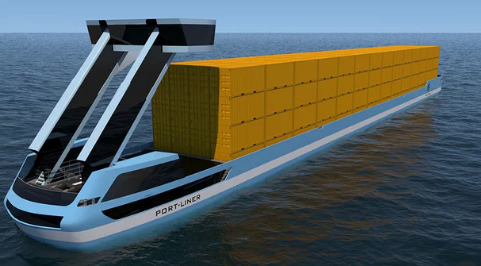 According to the latest statistics from Eurostat, only 6.7% of freight in the EU is transported by inland waterways, compared to 74.9% by road, and 18.4% by rail. These low-carbon vessels could revive our waterways - around 23,000 trucks, most of them diesel, are expected to be removed from the roads as a result of this initial deployment.
 While international shipping currently accounts for less than 3% of global greenhouse gas emissions, this figure is expected to grow as the burgeoning middle class drives huge increases in consumption. Yet shipping and aviation are exempt from the Paris Agreement and there are no solid targets for emissions reduction (partly because their emissions are hard to attribute to any single nation).
This could change in 2018, as the International Maritime Organisation plans to issue its long-awaited initial climate strategy. An ambitious strategy could set strong emissions goals for shipping, encouraging the development of an electric fleet and transforming the industry.
Gifs of the week
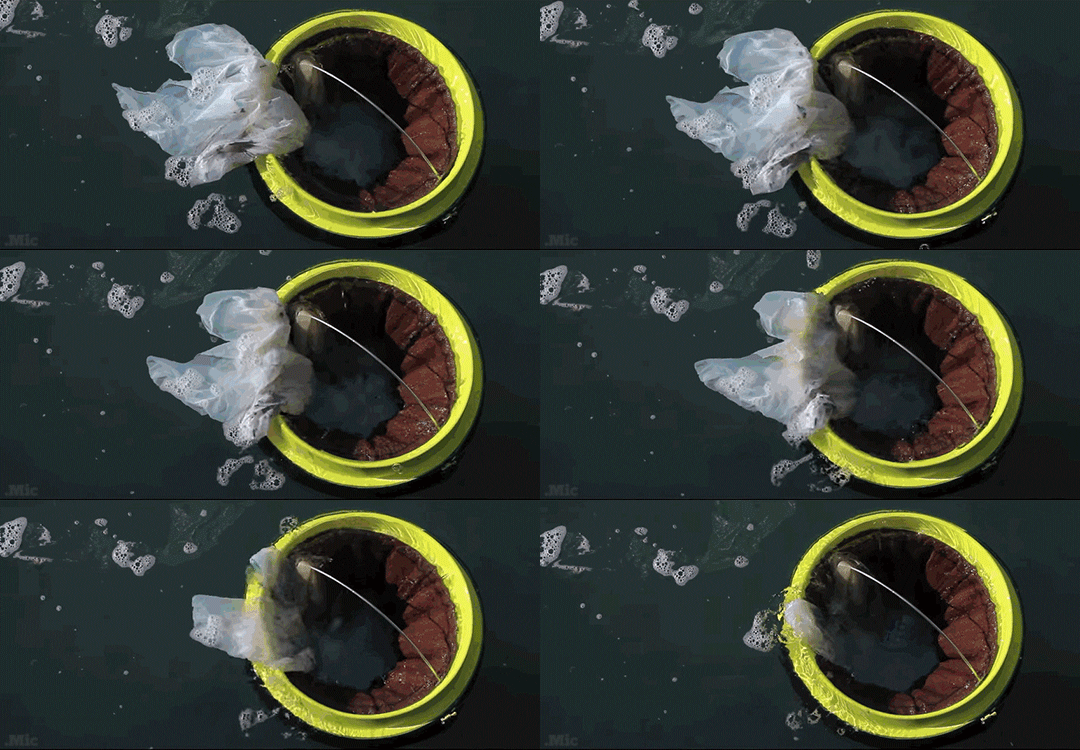
The Seabin Project installs floating bins in docks, yacht clubs and commercial ports.
From beach clean-ups to #stopsucking, young people across the globe are taking action on plastics. But this crisis urgently needs solutions that address root causes, not just symptoms. Evoware, an Indonesian startup, designs edible food packaging made out of seaweed. Not only does this reduce waste, it could also be a boon for low-income seaweed-growers. It's a neat idea, which is why the founders just won $200,000 from the Ellen MacArthur Foundation's Circular Materials Challenge, announced this week at the World Economic Forum in Davos. Other winners include a "returnable cup ecosystem" and "plastic" packaging made from wood.
Meanwhile, on land
From the editor
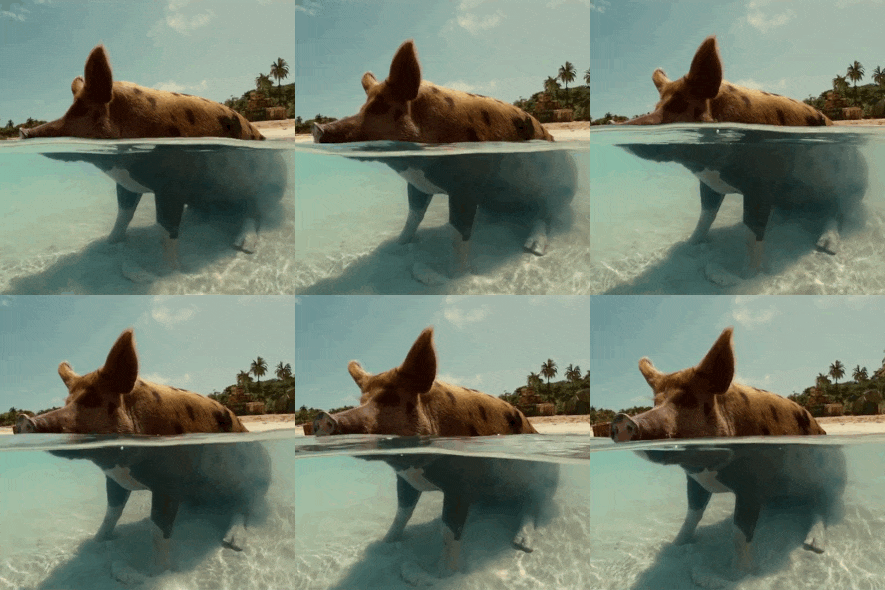
It's Friday, you deserve another swimming pig:
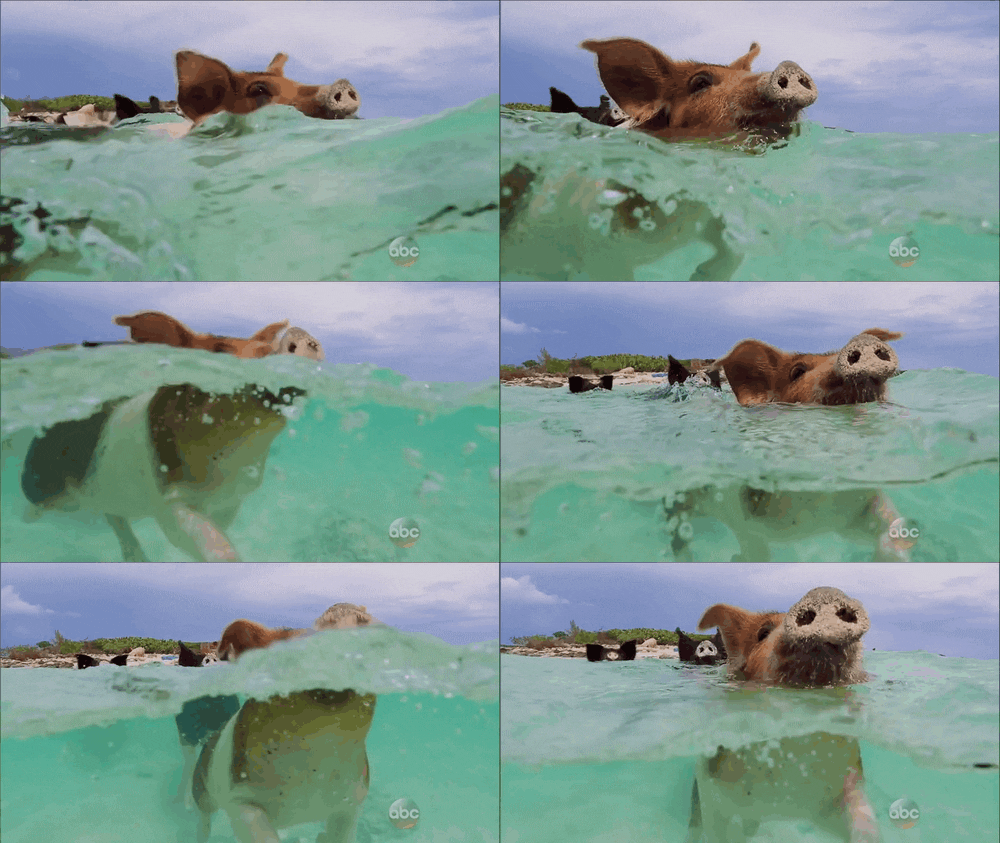
I had planned to rant about how Davos tokenism is itself a symptom of the root causes, but the swimming pigs melted my anger away. Here's a couple of interesting conservation conflicts instead: 1. The European Parliament has called for a moratorium on seabed mining, despite the fact that it forms part of the Commission's ambitious 'Blue Economy' plans. (No, I don't understand the difference between all these EU institutions either!); 2. The South Pacific Regional Fisheries Management Organisation (SPRFMO) meets next week. New Zealand is proposing new conservation measures to protect vulnerable marine ecosystems from destructive bottom trawling, but its fisherman are threatening to sue. Chile, also a member of SPRFMO has closed 98% of its waters to destructive bottom trawling.

Little Blue Letter was curated this week by Leonie Meier. Leonie is currently a Carlo-Schmid Fellow at the UN Economic Commission for Europe and wrote her Masters thesis about policy responses to microplastic pollution. She is now trying to make the UN a plastic-free organisation.
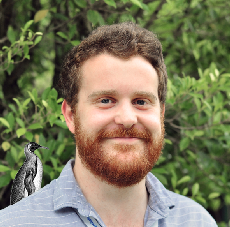
Editing etc. by Glen Wright. Glen is a researcher studying marine governance, the high seas, and ocean energy. He is a drinker of tea, lover of the sea, and an Oxford comma user. Glen recently published Academia Obscura: The Hidden Silly Side of Higher Education.
Little Blue Letter is a splash of uplifting ocean stuff, lovingly curated by young ocean leaders and shipped straight to your inbox every Friday. Pass it on, encourage other ocean lovers to sign up, and follow on Twitter.
Enjoy Reading This Article?
Here are some more articles you might like to read next: