16 March 2018 — Surprising narwhal fact
Sent 16 March 2018. Part of Little Blue Letter.

"We are just a slightly advanced breed of monkeys
on a minor planet orbiting an average star,"
~ Stephen Hawking
on a minor planet orbiting an average star,"
~ Stephen Hawking
Eyes on the Seas
Illegal fishing is big business, worth between $10 billion and US $23.5 billion annually. It is also an incredibly low risk crime. Despite increasing attention on monitoring, control and surveillance (MCS), illegal fishers are almost never caught; those that are rarely face meaningful penalties. (Except in Indonesia, where a seriously badass fisheries minister is blowing up boats.)
A number of initiatives are now underway that seek to reverse this trend. FISH-i Africa is bringing together countries to cooperate on fisheries enforcement and bring illegal vessels to justice. They are also supplementing information from vessels' automatic identification systems (AIS), originally designed to support safe navigation, with new tools that allow them to more effectively track fishing activity. (AIS is far from perfect though - it is possible for vessels to "go dark", as detailed in a new report out this week).
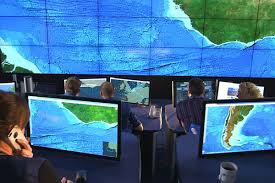
Ocean Mind is using machine learning and big data analytics to sift through tons of data (satellite observations, vessel tracking data and identity databases, fishing license information). Their algorithms pick out possible non-compliance so that analysts can investigate. Pew's Eyes on the Seas project is using the technology to develop a cost-effective monitoring and enforcement tool that will help governments, including the most resource-poor enforcement agencies, to clamp down on illegal fishing.
Weekend reading
A bacterium remakes the body of the Hawaiian bobtail squid, and then protects it. How is urbanisation affecting octopuses? Some species are already shifting with the changing climate, and fishermen are taking notice. An important thread about work-life balance. Is blockchain a silver bullet for fisheries management? (Spoiler: it isn't.)
Illegal fishing is big business, worth between $10 billion and US $23.5 billion annually. It is also an incredibly low risk crime. Despite increasing attention on monitoring, control and surveillance (MCS), illegal fishers are almost never caught; those that are rarely face meaningful penalties. (Except in Indonesia, where a seriously badass fisheries minister is blowing up boats.)
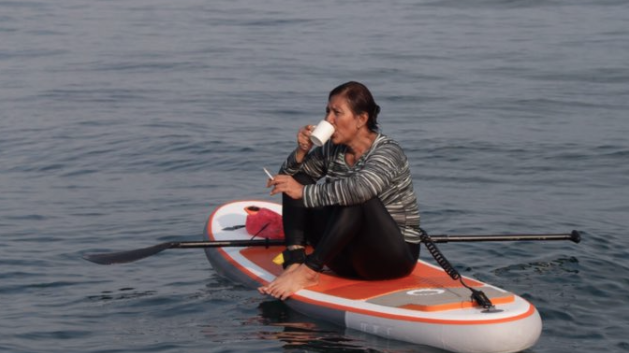
Indonesian Fisheries Minister Susi Pudjiastuti enjoying a cup of coffee and a cigarette on her paddleboard after a hard day's work blowing up illegal fishing vessels.
A number of initiatives are now underway that seek to reverse this trend. FISH-i Africa is bringing together countries to cooperate on fisheries enforcement and bring illegal vessels to justice. They are also supplementing information from vessels' automatic identification systems (AIS), originally designed to support safe navigation, with new tools that allow them to more effectively track fishing activity. (AIS is far from perfect though - it is possible for vessels to "go dark", as detailed in a new report out this week).
Ocean Mind is using machine learning and big data analytics to sift through tons of data (satellite observations, vessel tracking data and identity databases, fishing license information). Their algorithms pick out possible non-compliance so that analysts can investigate. Pew's Eyes on the Seas project is using the technology to develop a cost-effective monitoring and enforcement tool that will help governments, including the most resource-poor enforcement agencies, to clamp down on illegal fishing.
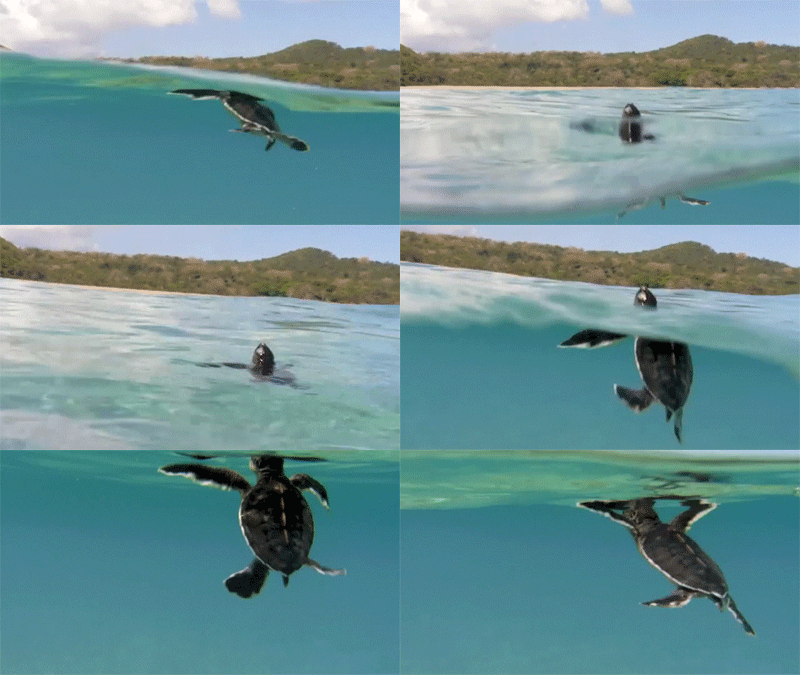
Gif of the week
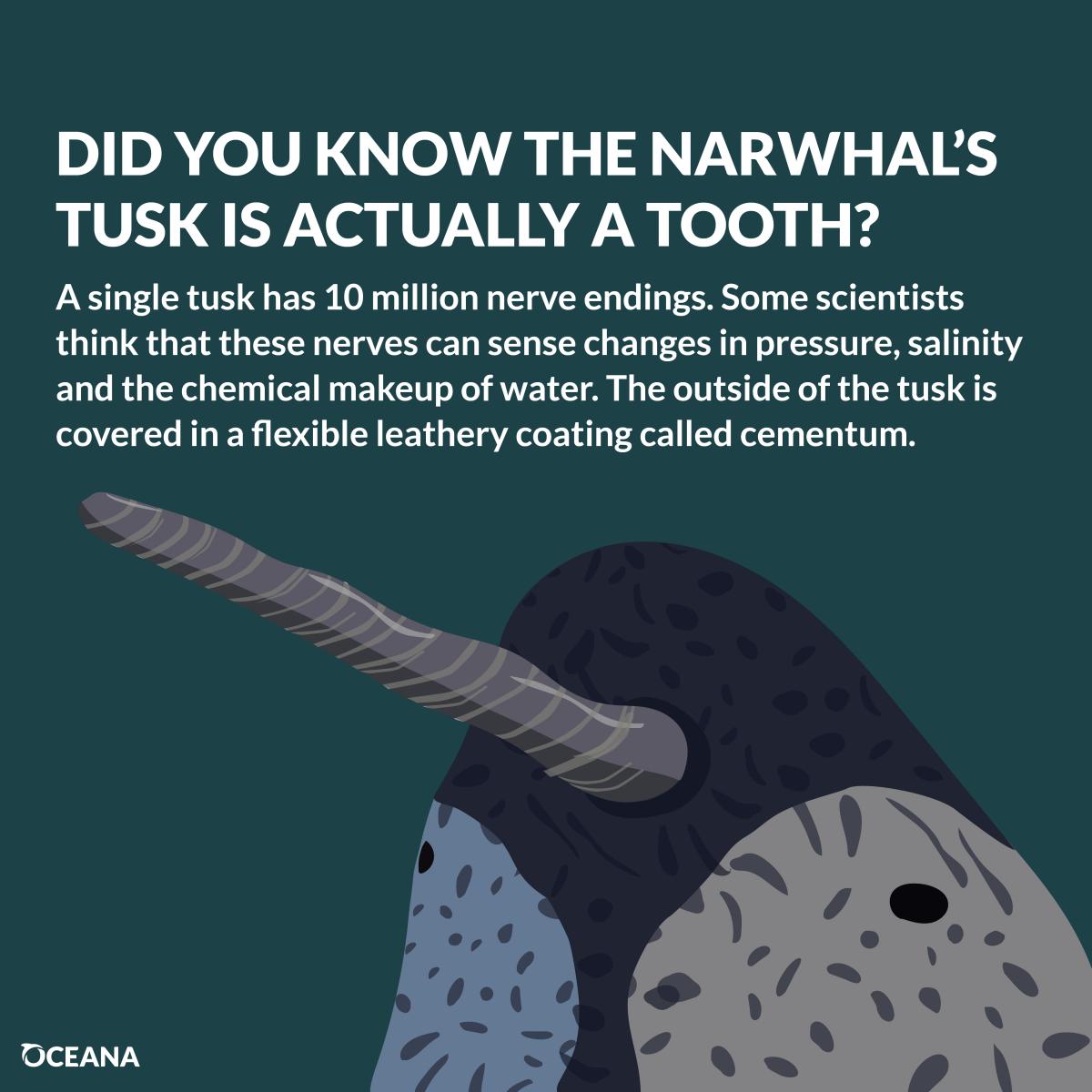
Surprising narwhal fact
(Four more here.) Surprising narwhal fact
Weekend reading
A bacterium remakes the body of the Hawaiian bobtail squid, and then protects it. How is urbanisation affecting octopuses? Some species are already shifting with the changing climate, and fishermen are taking notice. An important thread about work-life balance. Is blockchain a silver bullet for fisheries management? (Spoiler: it isn't.)
Curated this week by Glen Wright. Glen is a researcher studying marine governance, the high seas, and ocean energy. He is a drinker of tea, lover of the sea, and an Oxford comma user. Glen recently published Academia Obscura: The Hidden Silly Side of Higher Education.
Little Blue Letter is a splash of uplifting ocean stuff, lovingly curated by young ocean leaders and shipped straight to your inbox every Friday. Pass it on, encourage other ocean lovers to sign up, and follow on Twitter.
Enjoy Reading This Article?
Here are some more articles you might like to read next: