Sent 30 March 2018. Part of Little Blue Letter.

The Ocean was breathing: a live, dear, and kind being.
The water was touching my skin slightly, tenderly. It was cosy even. 
Had I not been aware that I was a human and had to swim somewhere, 
I would have almost been totally happy.

~Slava Kurilov, Alone in the ocean

In the mix 
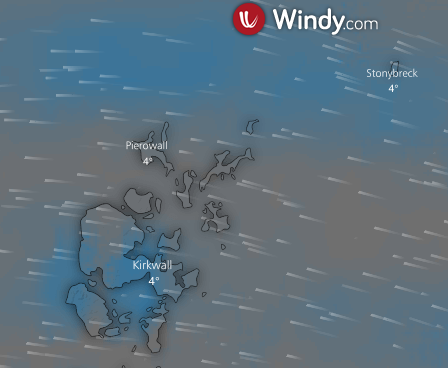
A cool new weather website can show you everything from the swell and sea temperature to clouds and currents. Coded by a German kite enthusiast and pilot, Windy is a treat to work with and can give you a better understanding of our planet’s bigger picture.
We already know about some ocean mixing mechanisms, such as the wind and internal waves, but could animal movements also be playing a role? Here is an exciting talk by John Dabiri, given at the recent Ocean Sciences Meeting in Portland. (Reminds me of a common kids’ assumption that it is the swaying of the trees that causes the wind rather than the other way round. Makes me wonder…)
 
What do you think when I say ‘salt fingers’? (Clue: they can be made in the kitchen but have nothing to do with food. Or fingers.) This is what they look like: 
A school experiment by John Mickett, a physical oceanographer at the University of Washington.
 
These funny fingerlike structures are caused by sinking blobs of warm, salty water interleaving with rising cold, fresh water. The process plays a major role in ocean mixing. Learn more about this, and the double diffusion process that causes the phenomenon, here

Gif of the week
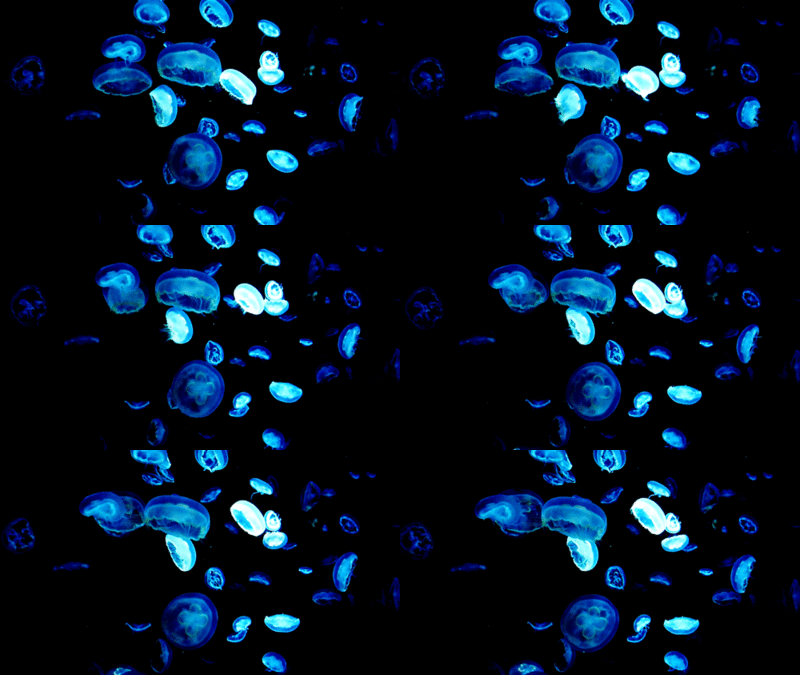
Jellies, apart from being super cute, are also perfect for mixing ocean water. 

#OceanOptimism
A conservation project I’d love to share: an expedition to the Maldives next winter that we are planning together with the Institute of Oceanology in Moscow. The project was born spontaneously after a talk with a friend who had just returned from a holiday the Maldives. She saw a lot of plastic debris, and was horrified to see dead sharks in the water. We plan to visit the islands, take some drone footage, underwater videos, explore the islands, make photographic reports, and take water samples to see the extent of chemical pollution in the water and the impact on the ecosystem. If you’ve been to the Maldives, or you got an idea to share, I’d love to hear from you and take a few tips!

Further reading
  • Alone in the Ocean by Slava Kurilov, a Russian oceanographer who swam three days in a row in the Pacific to escape from his daily routine. His revelations about the ocean he experienced are astounding. 
  • Of Orcas and Men: What Killer Whales Can Teach Us by David Neiwert is an exploration of the science and stories behind the fight against killer whale captivity. 
 

Little Blue Letter was curated this week by Olga Mironenko. Olga will soon become a PhD student at Shirshov Institute of Oceanology in Moscow, Russia, researching microplastic pollution, and is also managing an environmental start-up and doing a research stay at GEOMAR, Germany, researching microplastic biofilm, European fisheries policy and sustainability game design. Suggestions/ideas/questions: mironenko.om@gmail.com
 

Editing etc. by Glen Wright. Glen is a researcher studying marine governance, the high seas, and ocean energy. He is a drinker of tea, lover of the sea, and an Oxford comma user. Glen recently published Academia Obscura: The Hidden Silly Side of Higher Education


Little Blue Letter is a splash of uplifting ocean stuff, lovingly curated by young ocean leaders and shipped straight to your inbox every Friday. Pass it on, encourage other ocean lovers to sign up, and follow on Twitter.