26 May 2018 — Slip slop slap
Sent 26 May 2018. Part of Little Blue Letter.

No blue, no green."
~ Sylvia Earle, legendary ocean researcher
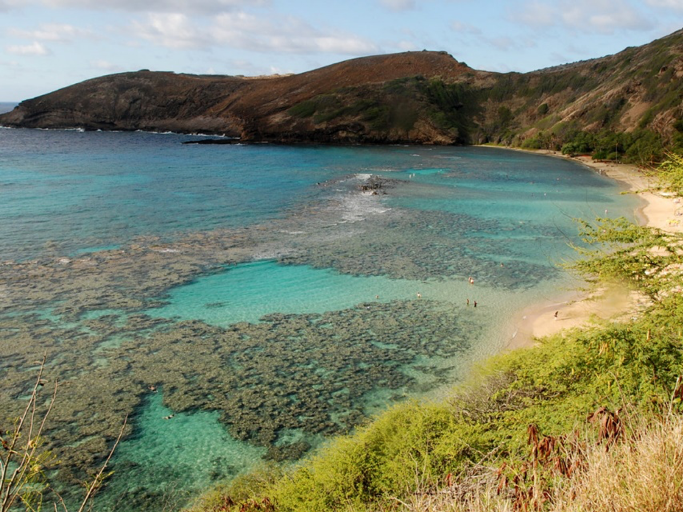
As May long weekends mark the beginning of summer in the Northern Hemisphere, it’s time to stock up on the SPF. But conventional sunscreen can be toxic to marine life. Even a drop of oxybenzone can damage delicate corals, and researchers estimate that we about 14,000 tons of sunscreen end up in reefs each year. So this year I’m searching for an ocean-friendly alternative (though it’ll be hard to say goodbye to the iconic smell of Coppertone).
Hawaii has passed a law that will prohibit the sale of sunscreens containing oxybenzone from 2021. In the meantime, you can choose one of these reef-safe options. (And if you really miss the Coppertone, this perfume has you covered).
Gif of the week
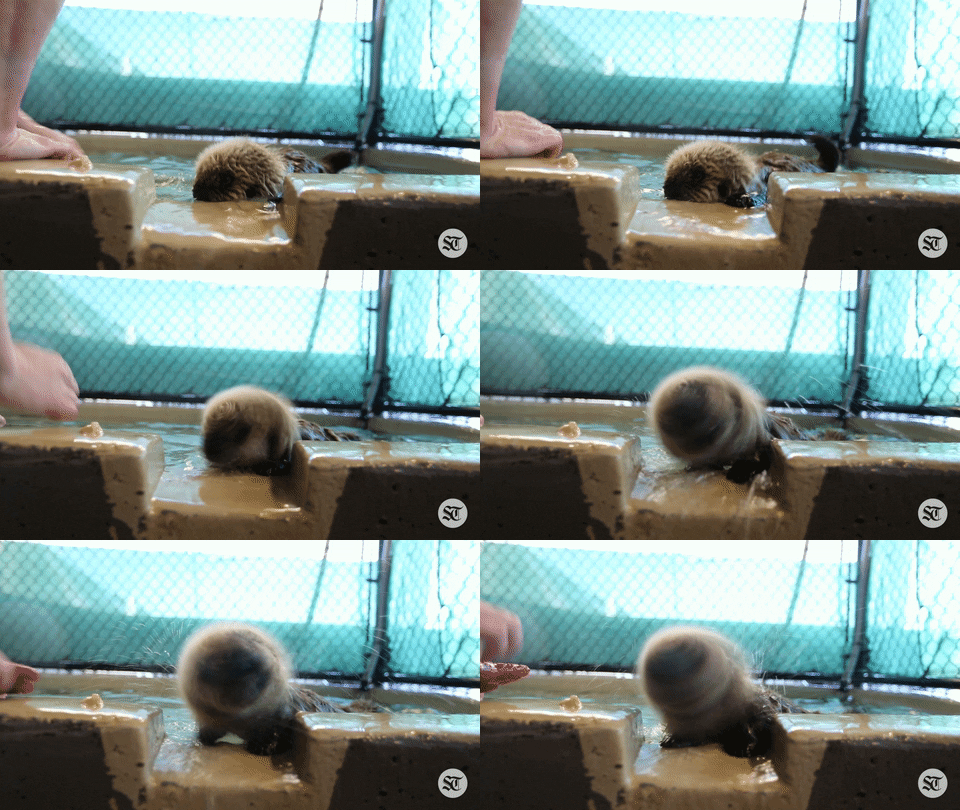 Rialto the baby sea otter was rescued when he was just a few weeks old. He was orphaned young and wouldn’t survive in the wild, but he’s thriving at his new home at the Vancouver Aquarium.
Overfishing is one of the biggest threats to the world’s ocean, with the UN Food and Agriculture Organisation (FAO) estimating that 30% of fish stocks are overexploited. Nonetheless, a report released this week by the US National Oceanic and Atmospheric Administration (NOAA) found that the number of overfished stocks in the US is at an all-time low.
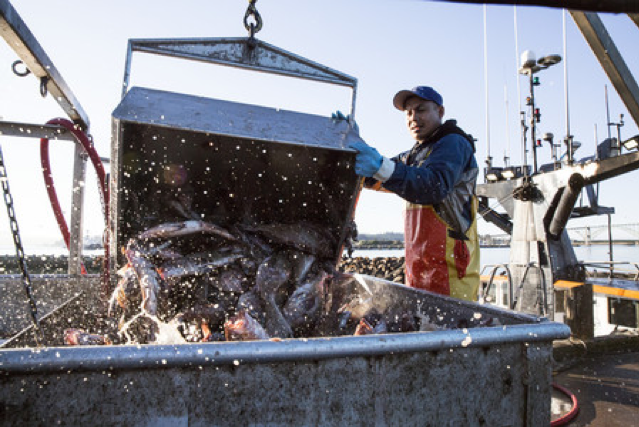
More #OceanOptimism!
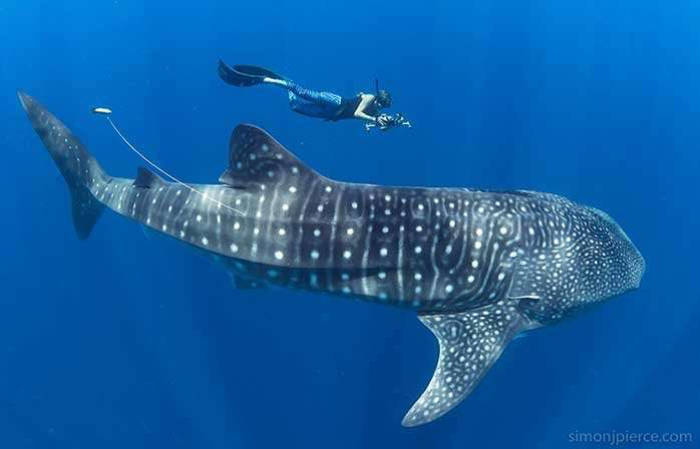
Madagascar is a hotspot for whale sharks, according to new research. Over 85 individuals were identified in one season. "No one thought there were that many", Stella Diamant of the Madagascar Whale Shark Project told the BBC.
From the editor
The FAO’s statistics on fisheries come from countries themselves, so they are prone to underestimation. True catches may be much higher than we previously thought. This week, Ireland's upper house (Seanad) supported a motion calling for the designation of a network of marine protected areas covering up to 50% of Irish waters. The motion is non-binding, but the Minister has committed to tabling legislation in the coming weeks. Humans have been fishing for at least 42,000 years.
Little Blue Letter was curated this week by Lucy Erickson. Lucy is the Science Communications Manager at the Marine Stewardship Council, an international NGO that uses its ecolabelling program to promote and reward sustainable fishing. After work, Lucy can be found reading Terry Pratchett, playing PS4, exploring the British countryside and pining for the ocean.
Editing etc. by Glen Wright. Glen is a researcher studying marine governance, the high seas, and ocean energy. He is a drinker of tea, lover of the sea, and an Oxford comma user. Glen recently published Academia Obscura: The Hidden Silly Side of Higher Education.
Little Blue Letter is a splash of uplifting ocean stuff, lovingly curated by young ocean leaders and shipped straight to your inbox every Friday. Pass it on, encourage other ocean lovers to sign up, and follow on Twitter
Enjoy Reading This Article?
Here are some more articles you might like to read next: