27 June 2018 — Sustainable development – are we nearly there yet?
Sent 27 June 2018. Part of Little Blue Letter.

"Let the ocean worry about being blue"
~ Alabama Shakes
~ Alabama Shakes
Sustainable development – are we nearly there yet?
Last week the UN published its annual report on the Sustainable Development Goals (SDGs). The good news for the ocean goal (SDG14) is that countries have doubled the coverage of protected areas in their waters over the past decade. But the stocktake for is still worrying: declining marine fish stocks, deterioration of coastal waters due to pollution and eutrophication. The report calls for more ambitious political commitments, massive financial investment, and development of innovative new technologies.
OOO! (Observe Our Ocean!)
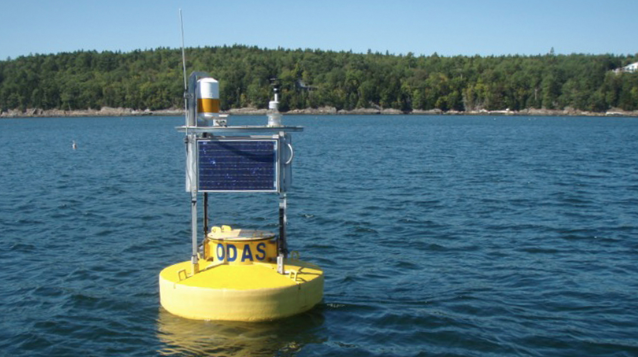
A new Ocean Observing System report card provides a snapshot of ocean observing systems. We can’t manage and protect our ocean if we don’t know what’s going on, and these systems provide data that is crucial for: predicting and managing extreme weather and coastal hazards; monitoring the state of the seas; and even tracking oil spills. As a society, we are demanding ever more of such systems, yet finding sustained financing is a huge challenge. Not only must we maintain, update and strengthen existing systems, we also have gaps to fill in the polar regions, sea basins, and the deep ocean.
Sail the 7(0) seas
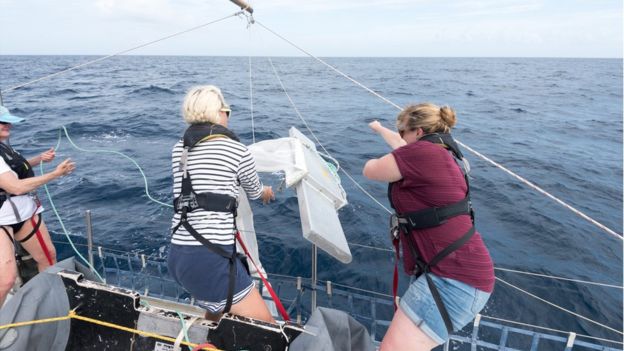
Sailor Emily Penn, accompanied by an all-female crew, recently set off for the Great Pacific Garbage Patch to carry out scientific experiments concerning the effects of plastic on marine life.

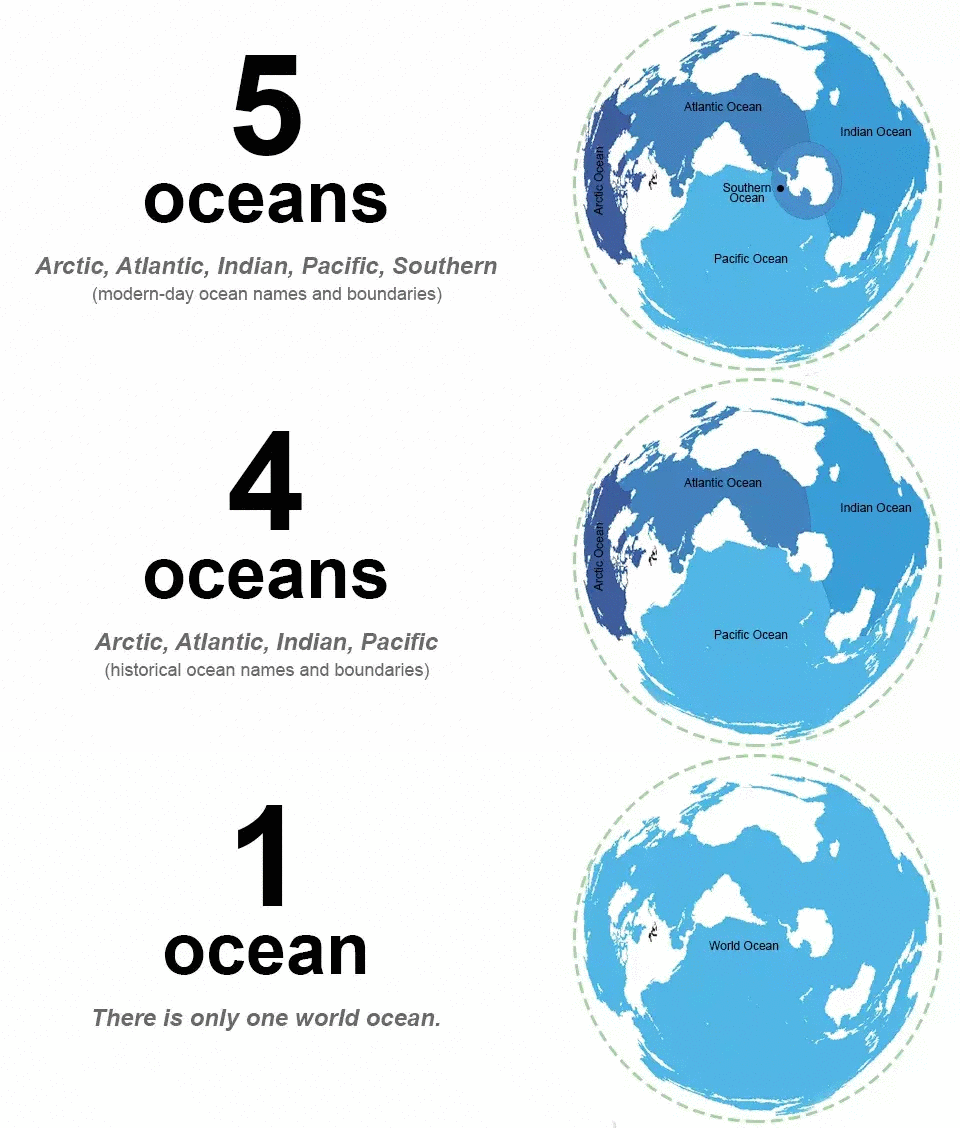
But how many oceans are there? There is, of course, just one global ocean. Historically, “The Seven Seas” has been used to refer to all the world’s waters (the term first known use is from a Sumerian hymn written in 2300 BC!). More recently we’ve named four distinct oceans: Atlantic, Pacific, Indian, and Arctic. The Southern Ocean around Antarctica is the newest to get a name (its boundaries were only proposed to the International Hydrographic Organization (IHO) in 2000). Meanwhile, the IHO maintains a list of over 70 distinct bodies of water called seas.
Gif of the week
From the editor
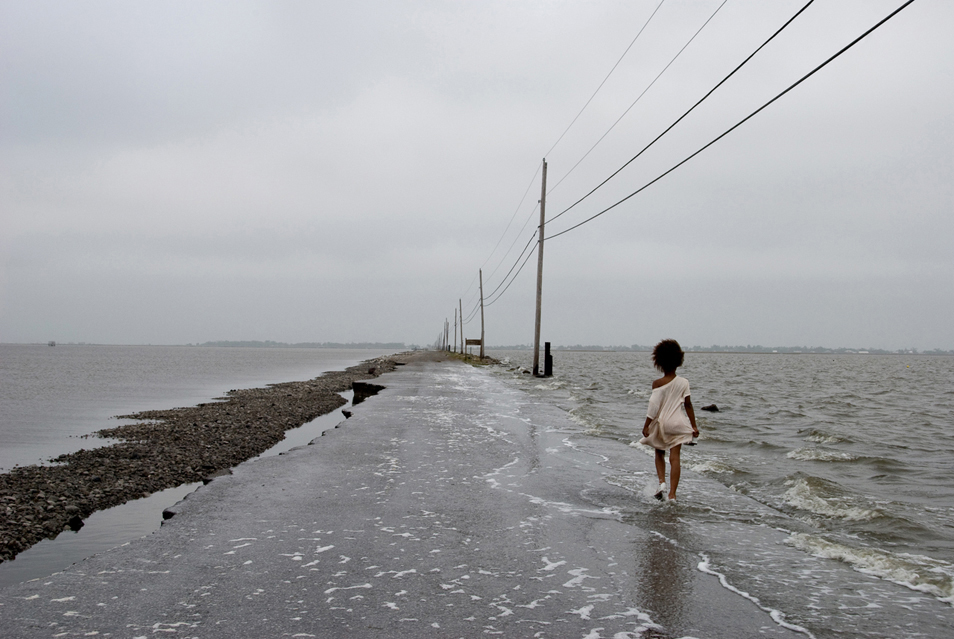
Negotiations for a new high seas treaty start in September, and there is plenty of pre-game chatter. Last week I was at the Institut océanographique in Paris for The High Seas: What's at Stake?, and this week at the Nausicaa Aquarium for another (photos of me enjoying their fantastic high seas exhibition below). My institute is looking for a new Governance Programme Director. Donalda's note on ocean observing systems made me think of the latest episode of the Freakonomics podcast, "In Praise of Maintenance". Sure, innovation is sexy, but maintenance is necessary. Should you pee on your leg if you are stung by jellyfish?
 Little Blue Letter was curated this week by Donalda Karnauskaite. Donalda is a researcher at the Marine Research Institute of Klaipeda University. Her research focuses on the development of methods and tools for supporting sustainable coastal and marine management.
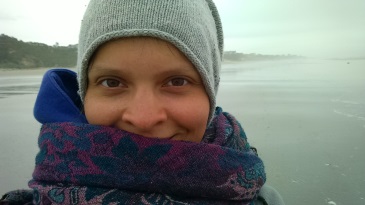 Editing etc. by Glen Wright. Glen is a researcher studying marine governance, the high seas, and ocean energy. He is a drinker of tea, lover of the sea, and an Oxford comma user. Glen recently published Academia Obscura: The Hidden Silly Side of Higher Education.
Little Blue Letter is a splash of uplifting ocean stuff,
lovingly curated by young ocean leaders
and shipped straight to your inbox every Friday.
Sign up, pass it on, follow on Twitter, or write an edition.
🌊🌊🌊
Last week the UN published its annual report on the Sustainable Development Goals (SDGs). The good news for the ocean goal (SDG14) is that countries have doubled the coverage of protected areas in their waters over the past decade. But the stocktake for is still worrying: declining marine fish stocks, deterioration of coastal waters due to pollution and eutrophication. The report calls for more ambitious political commitments, massive financial investment, and development of innovative new technologies.
OOO! (Observe Our Ocean!)
A new Ocean Observing System report card provides a snapshot of ocean observing systems. We can’t manage and protect our ocean if we don’t know what’s going on, and these systems provide data that is crucial for: predicting and managing extreme weather and coastal hazards; monitoring the state of the seas; and even tracking oil spills. As a society, we are demanding ever more of such systems, yet finding sustained financing is a huge challenge. Not only must we maintain, update and strengthen existing systems, we also have gaps to fill in the polar regions, sea basins, and the deep ocean.
Buoys are just one of the technologies we use to monitor the ocean.
Sensors mounted on the buoy provide essential data.
Sensors mounted on the buoy provide essential data.
Sail the 7(0) seas
Sailor Emily Penn, accompanied by an all-female crew, recently set off for the Great Pacific Garbage Patch to carry out scientific experiments concerning the effects of plastic on marine life.
Crew members carrying out a manta trawl
Photo: Emily Penn
Photo: Emily Penn
But how many oceans are there? There is, of course, just one global ocean. Historically, “The Seven Seas” has been used to refer to all the world’s waters (the term first known use is from a Sumerian hymn written in 2300 BC!). More recently we’ve named four distinct oceans: Atlantic, Pacific, Indian, and Arctic. The Southern Ocean around Antarctica is the newest to get a name (its boundaries were only proposed to the International Hydrographic Organization (IHO) in 2000). Meanwhile, the IHO maintains a list of over 70 distinct bodies of water called seas.
Gif of the week
From the editor
Negotiations for a new high seas treaty start in September, and there is plenty of pre-game chatter. Last week I was at the Institut océanographique in Paris for The High Seas: What's at Stake?, and this week at the Nausicaa Aquarium for another (photos of me enjoying their fantastic high seas exhibition below). My institute is looking for a new Governance Programme Director. Donalda's note on ocean observing systems made me think of the latest episode of the Freakonomics podcast, "In Praise of Maintenance". Sure, innovation is sexy, but maintenance is necessary. Should you pee on your leg if you are stung by jellyfish?
Little Blue Letter was curated this week by Donalda Karnauskaite. Donalda is a researcher at the Marine Research Institute of Klaipeda University. Her research focuses on the development of methods and tools for supporting sustainable coastal and marine management.Editing etc. by Glen Wright. Glen is a researcher studying marine governance, the high seas, and ocean energy. He is a drinker of tea, lover of the sea, and an Oxford comma user. Glen recently published Academia Obscura: The Hidden Silly Side of Higher Education.Little Blue Letter is a splash of uplifting ocean stuff,
lovingly curated by young ocean leaders
and shipped straight to your inbox every Friday.
Sign up, pass it on, follow on Twitter, or write an edition.
🌊🌊🌊
Enjoy Reading This Article?
Here are some more articles you might like to read next: