3 August 2018 — The plight of the penguins
Sent 3 August 2018. Part of Little Blue Letter.

"I have always felt I lived on the high seas, threatened, at the heart of a royal happiness."
~ Albert Camus
The ocean wilds
Just 13% of the world's oceans remain as wilderness, researchers have found - a stark reminder of the pressures our global oceans are facing from climate change, industrial fishing and pollution. Most of these ocean wildernesses are on the high seas, the international waters that belong to us all and cover an area bigger than every continent combined.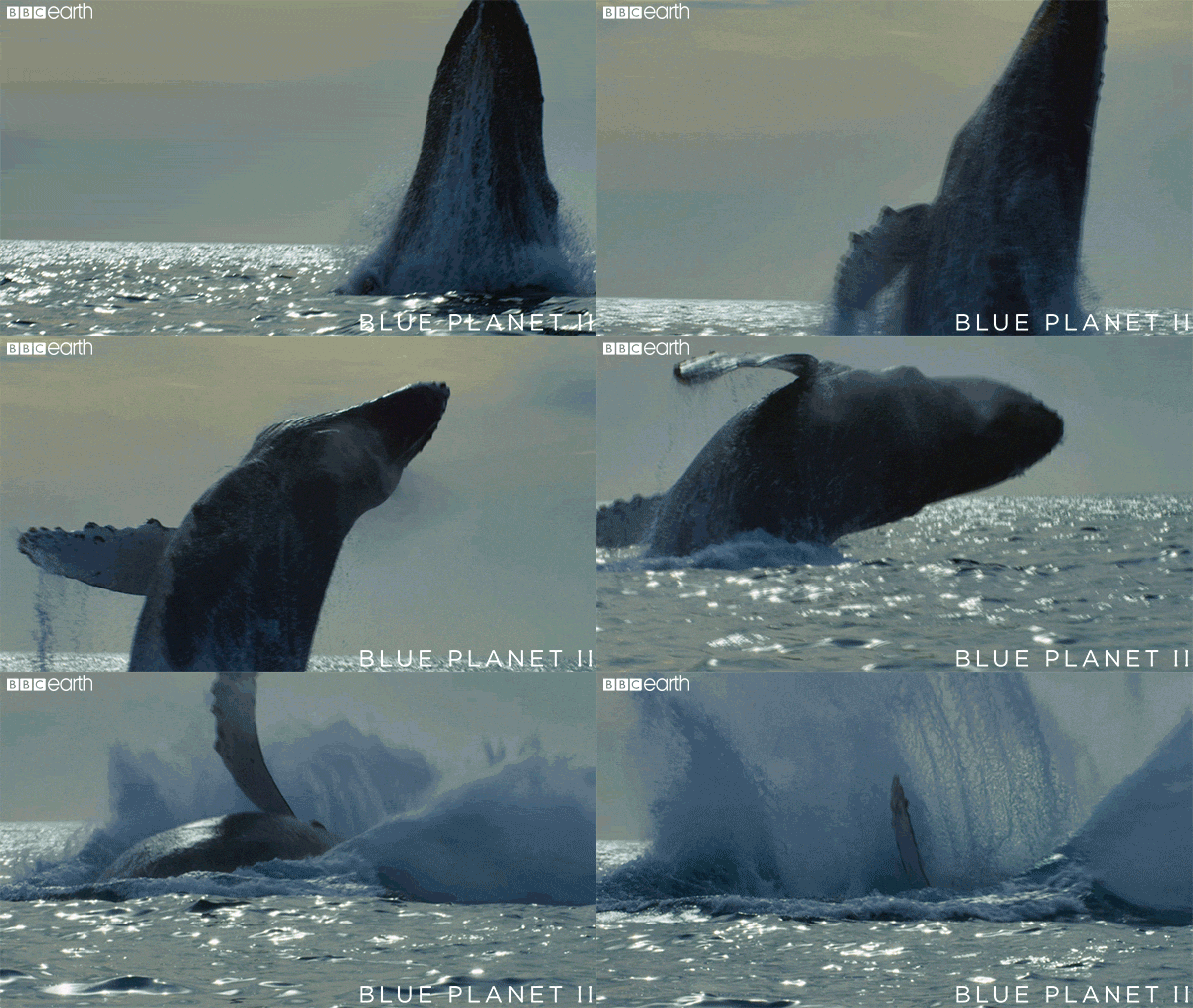 Governments will meet this September to start negotiating a new international that - if ambitious enough - could help set up a network of marine protected areas on the high seas. Check out the High Seas Alliance for all you need to know on this major opportunity for ocean protection.
Gif of the week
Nobody is stopping this dolphin from getting the best spot at the beach.
The plight of the penguins
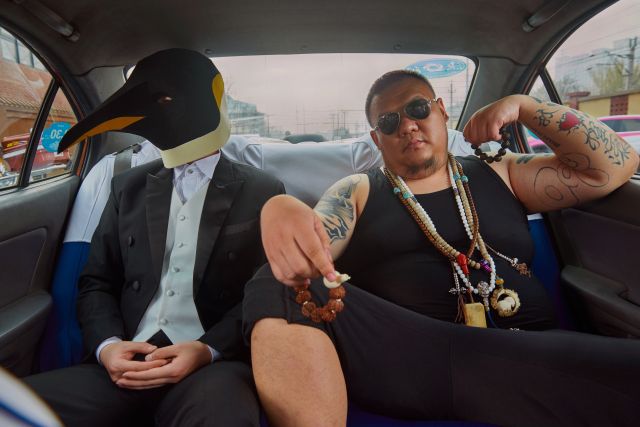
Governments will also decide later this year whether to protect 1.8 million square kilometres of the Weddell Sea, making it off-limits to industry. Almost 2 million people around the world are now calling for an Antarctic Ocean Sanctuary - including a penguin that got lost in China.
Mining the deep
It's been a big couple of weeks for deep sea mining discussions, but navigating the depths of the acronyms and the big unknowns is a mammoth task. Here’s a handy guide of the essentials and an update on all the unanswered questions to get you up to date. Last month, 45 environmental organisations warned that deep sea mining could could wipe out species and ecosystems before we know they exist. Even the Pope is getting involved, urging governments to prioritise ocean health and human life.
Quick takes
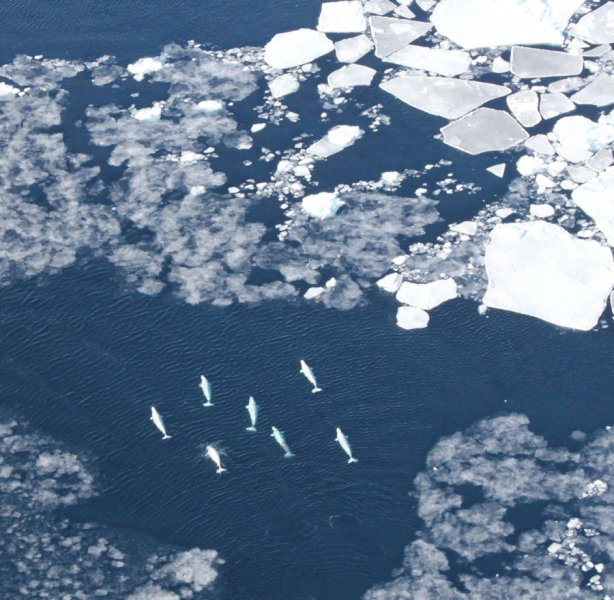 Little Blue Letter was curated this week by Louisa Casson. Louisa is an oceans campaigner at Greenpeace UK, where she is campaigning for the world’s largest protected area to be created this year in the Antarctic Ocean
 Editing etc. by Glen Wright. Glen is a researcher studying marine governance, the high seas, and ocean energy. He is a drinker of tea, lover of the sea, and an Oxford comma user. Glen recently published Academia Obscura: The Hidden Silly Side of Higher Education.
Little Blue Letter is a splash of uplifting ocean stuff,
lovingly curated by young ocean leaders
and shipped straight to your inbox every Friday.
Sign up, pass it on, follow on twitter, or write an edition.
🌊🌊🌊
Just 13% of the world's oceans remain as wilderness, researchers have found - a stark reminder of the pressures our global oceans are facing from climate change, industrial fishing and pollution. Most of these ocean wildernesses are on the high seas, the international waters that belong to us all and cover an area bigger than every continent combined.
Gif of the week
Nobody is stopping this dolphin from getting the best spot at the beach.
The plight of the penguins
Governments will also decide later this year whether to protect 1.8 million square kilometres of the Weddell Sea, making it off-limits to industry. Almost 2 million people around the world are now calling for an Antarctic Ocean Sanctuary - including a penguin that got lost in China.
Mining the deep
It's been a big couple of weeks for deep sea mining discussions, but navigating the depths of the acronyms and the big unknowns is a mammoth task. Here’s a handy guide of the essentials and an update on all the unanswered questions to get you up to date. Last month, 45 environmental organisations warned that deep sea mining could could wipe out species and ecosystems before we know they exist. Even the Pope is getting involved, urging governments to prioritise ocean health and human life.
Quick takes
- We shouldn't have called it ‘Earth’.
- A deep dive into how sharks got caught up in a fake news story with a life of its own. And in even stranger shark news…
- Big data is helping to detect hidden crimes on the high seas, with satellite research into transhipment shining a light on the potential for illegal fishing and human rights abuses in some of the most remote waters.
Little Blue Letter was curated this week by Louisa Casson. Louisa is an oceans campaigner at Greenpeace UK, where she is campaigning for the world’s largest protected area to be created this year in the Antarctic OceanEditing etc. by Glen Wright. Glen is a researcher studying marine governance, the high seas, and ocean energy. He is a drinker of tea, lover of the sea, and an Oxford comma user. Glen recently published Academia Obscura: The Hidden Silly Side of Higher Education.Little Blue Letter is a splash of uplifting ocean stuff,
lovingly curated by young ocean leaders
and shipped straight to your inbox every Friday.
Sign up, pass it on, follow on twitter, or write an edition.
🌊🌊🌊
Enjoy Reading This Article?
Here are some more articles you might like to read next: