17 September 2018 — Ready salted
Sent 17 September 2018. Part of Little Blue Letter.

"The cure for anything is salt water: sweat, tears or the sea."
~ Karen Blixen
~ Karen Blixen
Back to Nature
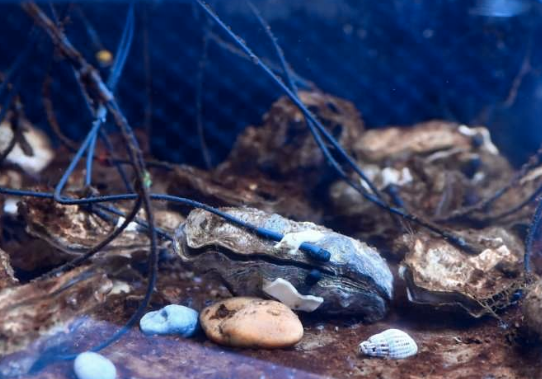
French researchers searching for early warning systems on ocean pollution have found an unlikely ally in a mollusc that usually ends up on dinner plates. Like canaries in a coal mine, oysters living near offshore oil platforms can detect minute amounts of hydrocarbons in the dozens of litres of water they filter each day. Careful monitoring could alert scientists to tiny infrastructure cracks before they develop into catastrophic oil spills that threaten entire ecosystems and coastal communities.
 Yet global carbon emissions (which hit a record high in 2017) are contributing to the demise of mussels and other species. As temperatures continue to rise, water temperatures become too hot for mussels to survive, as has happened in southwestern France.
#OceanOptimism
Whales may be able to rest a little easier, for now at least, as Japan's attempt to overturn the decades-old global ban on commercial whaling failed during this year's meeting of the International Whaling Commission (IWC) in Brazil. Delegates adopted the Florianópolis Declaration on the Role of the IWC in the Conservation and Management of Whales in the 21st Century, which reaffirms the importance of maintaining a moratorium on commercial whaling and states that the use of lethal research methods is unnecessary.
Gif of the week

Ready salted
Salt water is the most common substance on earth. There is 3.5 grams of salt per litre of open ocean water and the earliest evidence of salt processing dates to around 8,000 years ago; people living in Romania boiled spring water to extract salts and a salt processing site from this time has been identified in China. Salt is also vital for life as we know it, with diverse roles that range from driving crucial ocean currents to carrying the electrical signals that make our brains work.
From the editor
A People's Manifesto for Wildlife. The European Commission organised the first Arctic Stakeholder Conference in Brussels this week, following up on the recommendations of the Arctic Stakeholder Forum report. The Institute for Sustainable Development and International Relations (IDDRI) - where I work! - is looking for a new Director. You can learn about the potential impacts of climate change on fisheries in this webinar on 25 September. Salt is indeed important - read all about it.

 Editing etc. by Glen Wright. Glen is a researcher studying marine governance, the high seas, and ocean energy. He is a drinker of tea, lover of the sea, and an Oxford comma user. Glen recently published Academia Obscura: The Hidden Silly Side of Higher Education.
Little Blue Letter is a splash of uplifting ocean stuff,
lovingly curated by young ocean leaders
and shipped straight to your inbox every Friday.
🌊🌊🌊
French researchers searching for early warning systems on ocean pollution have found an unlikely ally in a mollusc that usually ends up on dinner plates. Like canaries in a coal mine, oysters living near offshore oil platforms can detect minute amounts of hydrocarbons in the dozens of litres of water they filter each day. Careful monitoring could alert scientists to tiny infrastructure cracks before they develop into catastrophic oil spills that threaten entire ecosystems and coastal communities.
Yet global carbon emissions (which hit a record high in 2017) are contributing to the demise of mussels and other species. As temperatures continue to rise, water temperatures become too hot for mussels to survive, as has happened in southwestern France. #OceanOptimism
Whales may be able to rest a little easier, for now at least, as Japan's attempt to overturn the decades-old global ban on commercial whaling failed during this year's meeting of the International Whaling Commission (IWC) in Brazil. Delegates adopted the Florianópolis Declaration on the Role of the IWC in the Conservation and Management of Whales in the 21st Century, which reaffirms the importance of maintaining a moratorium on commercial whaling and states that the use of lethal research methods is unnecessary.
Gif of the week
Ready salted
Salt water is the most common substance on earth. There is 3.5 grams of salt per litre of open ocean water and the earliest evidence of salt processing dates to around 8,000 years ago; people living in Romania boiled spring water to extract salts and a salt processing site from this time has been identified in China. Salt is also vital for life as we know it, with diverse roles that range from driving crucial ocean currents to carrying the electrical signals that make our brains work.
From the editor
A People's Manifesto for Wildlife. The European Commission organised the first Arctic Stakeholder Conference in Brussels this week, following up on the recommendations of the Arctic Stakeholder Forum report. The Institute for Sustainable Development and International Relations (IDDRI) - where I work! - is looking for a new Director. You can learn about the potential impacts of climate change on fisheries in this webinar on 25 September. Salt is indeed important - read all about it.
Little Little Blue Letter was curated this week by Leonie Meier. Leonie is currently Consultant at the UN Economic Commission for Europe in Geneva and wrote her Master Thesis about policy responses to microplastic pollution.
Editing etc. by Glen Wright. Glen is a researcher studying marine governance, the high seas, and ocean energy. He is a drinker of tea, lover of the sea, and an Oxford comma user. Glen recently published Academia Obscura: The Hidden Silly Side of Higher Education.Little Blue Letter is a splash of uplifting ocean stuff,
lovingly curated by young ocean leaders
and shipped straight to your inbox every Friday.
🌊🌊🌊
Enjoy Reading This Article?
Here are some more articles you might like to read next: