21 February 2019 — Life below water
Sent 21 February 2019. Part of Little Blue Letter.

"i am water
soft enough
to offer life
tough enough
to drown it away"
~ Rupi Kaur
Flip-flopping and island hopping
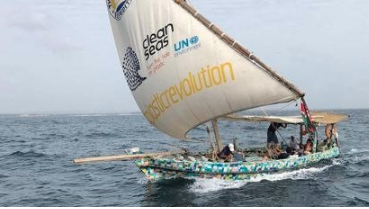
The Clean Seas Flipflopi, a nine-meter, rainbow-coloured dhow made entirely from plastics and flip flops collected from Kenyan towns and beaches, just concluded its awareness-raising voyage, arriving on the island of Zanzibar after a 500 km journey. Meanwhile, Ocean Sole Africa is upcycling washed-up flip flops to make colourful art and products (thereby also tackling the high unemployment rates in Kenya.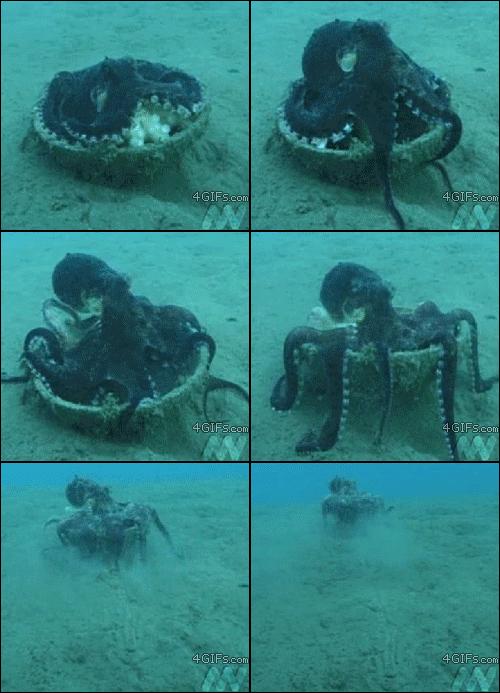
Movement to save mangroves
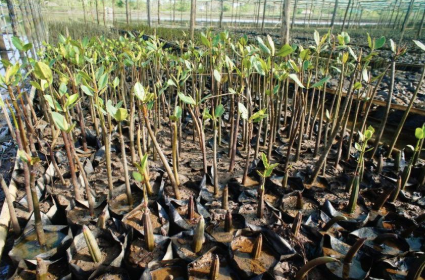
Sustainable Surf is using the same surf culture and lifestyle marketing that big corporations do to get people to pay for protection of coastal ecosystems through its SeaTrees project. “The global surfing world is a US$14 billion business, and according to The World Surf League, there’s 120 million surf fans out there in the world, so if we can engage 1 per cent of them, we can plant one million trees,” says co-founder Michael Stewart. Mangroves are marine superheroes: the trees can store five times the amount of C02 as trees on land and are critical for food security, coastal protection, water quality and climate regulation.
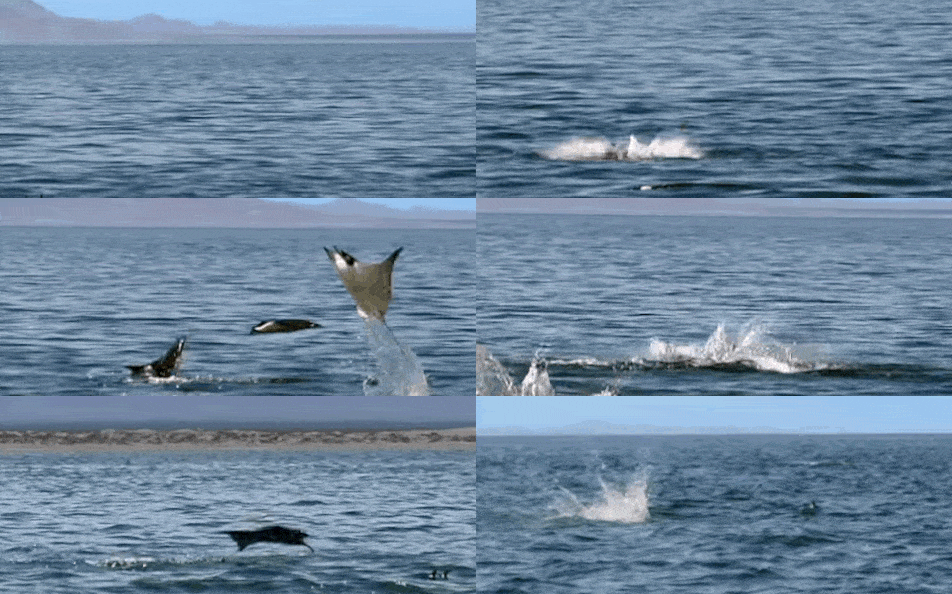
Gif of the week
Blue fashion
An important value chain that could produce the next generation of low-impact fashion materials comes from the fishing industry. All those fish skins that are usually discarded or turned into low-value fishmeal, can be used to make beautiful bags, shoes and clothes. The UN Food and Agriculture Organization has recognized the potential of such new value chains to improve the efficient use of fisheries products and the creation of value from industry waste by promoting “Blue Fashion”. This initiative strengthens the potential of ocean-sourced materials, from fish skins to seaweed fabrics, to serve as an innovative and sustainable material source for the fashion industry. This could be a huge boost to small-scale fisher communities, especially women and young people.
Life below water
World Wildlife Day will be celebrated in 2019 under the theme”Life below water: for people and planet”. It is the first World Wildlife Day to focus on life below water - surprising given that the ocean constitutes over 90% of the habitable space on the planet and supports an incredible variety of life, including the world’s largest mammal, the Blue Whale.
 Little Blue Letter was curated this week by Leonie Meier. Leonie is currently Consultant at the UN Economic Commission for Europe and wrote her Master Thesis about policy responses to microplastic pollution.
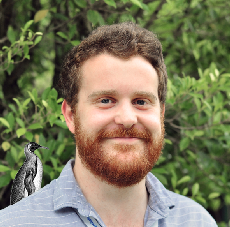 Editing etc. by Glen Wright. Glen is a researcher studying marine governance, the high seas, and ocean energy. He is a drinker of tea, lover of the sea, and an Oxford comma user. Glen recently published Academia Obscura: The Hidden Silly Side of Higher Education.
Little Blue Letter is a splash of uplifting ocean stuff,
lovingly curated by young ocean leaders
and shipped straight to your inbox every Friday.
Sign up, pass it on, follow on twitter, or write an edition.
🌊🌊🌊
The Clean Seas Flipflopi, a nine-meter, rainbow-coloured dhow made entirely from plastics and flip flops collected from Kenyan towns and beaches, just concluded its awareness-raising voyage, arriving on the island of Zanzibar after a 500 km journey. Meanwhile, Ocean Sole Africa is upcycling washed-up flip flops to make colourful art and products (thereby also tackling the high unemployment rates in Kenya.
Movement to save mangroves
Sustainable Surf is using the same surf culture and lifestyle marketing that big corporations do to get people to pay for protection of coastal ecosystems through its SeaTrees project. “The global surfing world is a US$14 billion business, and according to The World Surf League, there’s 120 million surf fans out there in the world, so if we can engage 1 per cent of them, we can plant one million trees,” says co-founder Michael Stewart. Mangroves are marine superheroes: the trees can store five times the amount of C02 as trees on land and are critical for food security, coastal protection, water quality and climate regulation.
Gif of the week
Blue fashion
Besides microfibers entering the ocean through the washing of our synthetic clothes (the Guppyfriend is designed to reduce this), clothing production is generally quite polluting, requiring a lot of raw materials, water, and energy. Yet there are ways to make fashion work for people and planet, starting right at the fiber (check out work that UNECE has been doing on this).
An important value chain that could produce the next generation of low-impact fashion materials comes from the fishing industry. All those fish skins that are usually discarded or turned into low-value fishmeal, can be used to make beautiful bags, shoes and clothes. The UN Food and Agriculture Organization has recognized the potential of such new value chains to improve the efficient use of fisheries products and the creation of value from industry waste by promoting “Blue Fashion”. This initiative strengthens the potential of ocean-sourced materials, from fish skins to seaweed fabrics, to serve as an innovative and sustainable material source for the fashion industry. This could be a huge boost to small-scale fisher communities, especially women and young people.
Salmon skin leather
Life below water
World Wildlife Day will be celebrated in 2019 under the theme”Life below water: for people and planet”. It is the first World Wildlife Day to focus on life below water - surprising given that the ocean constitutes over 90% of the habitable space on the planet and supports an incredible variety of life, including the world’s largest mammal, the Blue Whale.
Little Blue Letter was curated this week by Leonie Meier. Leonie is currently Consultant at the UN Economic Commission for Europe and wrote her Master Thesis about policy responses to microplastic pollution.Editing etc. by Glen Wright. Glen is a researcher studying marine governance, the high seas, and ocean energy. He is a drinker of tea, lover of the sea, and an Oxford comma user. Glen recently published Academia Obscura: The Hidden Silly Side of Higher Education.Little Blue Letter is a splash of uplifting ocean stuff,
lovingly curated by young ocean leaders
and shipped straight to your inbox every Friday.
Sign up, pass it on, follow on twitter, or write an edition.
🌊🌊🌊
Enjoy Reading This Article?
Here are some more articles you might like to read next: