6 January 2020 — Have your say
Sent 6 January 2020. Part of Little Blue Letter.

"How inappropriate to call this planet Earth when it is quite clearly Ocean."
~ Arthur C. Clarke
~ Arthur C. Clarke
A quick note from the editor
We are looking for young ocean leaders to curate the Little Blue Letter this year. Please do get in touch, pass this on to colleagues, and sign up here. A huge thanks to the 30+ curators that have written 60 editions so far!

2020: a bumper year for the ocean?
The “Blue COP” in December 2019 marked the end of a busy year in ocean policy, which is now high on the international agenda (other highlights for me include the IPCC Special Report and the first Marine Regions Forum). The ocean community is gearing up for another big year in 2020, with several important events and political deadlines on the horizon:
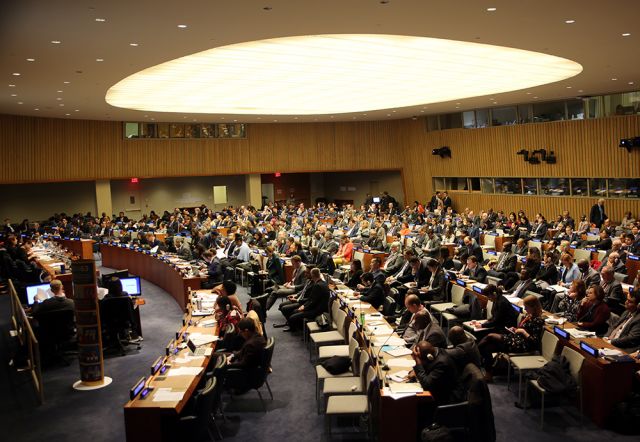
- The second UN Ocean Conference (Lisbon, June) will pick up where the first edition left off in 2017, with the goal of assessing the implementation of SDG14 and spurring action. But will it result in ambitious commitments or simply add yet another political declaration and unkept promises?
- The 15th Conference of the Parties of the Convention on Biological Diversity (Kunming, October) will seek to adopt a Post-2020 Global Biodiversity Framework (update on progress here). It could include ambitious ocean targets, including protected area coverage (30%? by 2030?).
- The long process to negotiate a treaty to protect the high seas—which covers nearly half of the Earth’s surface and does not belong to any one nation—could conclude this year. All eyes are now on the final round of negotiations at the end of March (UN Headquarters, New York).
- The World Trade Organization could finally agree to remove harmful fisheries subsidies.
- We will also be closely following the IUCN World Conservation Congress, the process to develop seabed mining regulations, the Our Ocean conference, the European Green Deal, and climate COP26.
Gif of the week
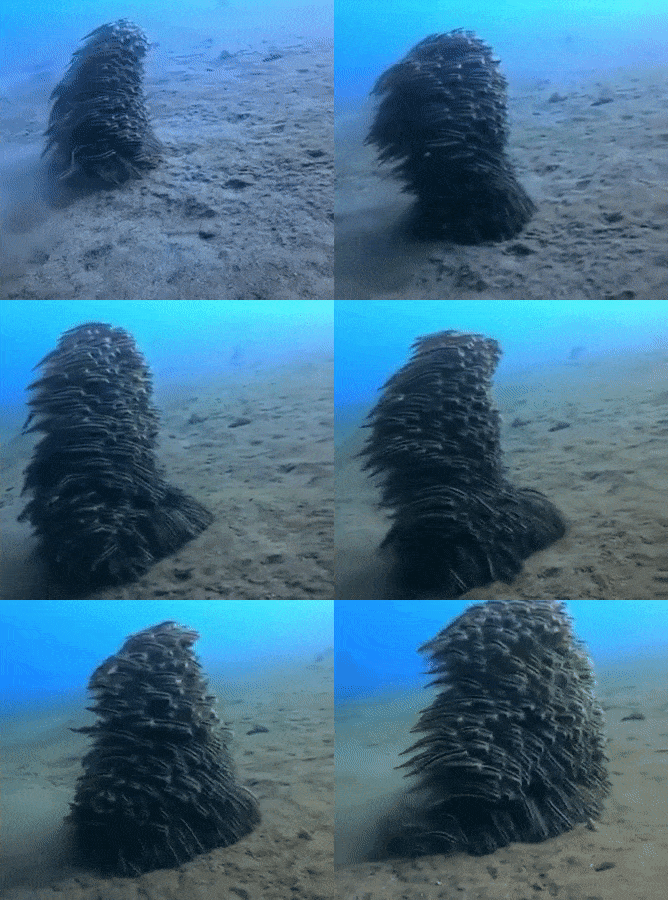
Amazing social behaviour of striped catfish, forming a creature like shape.
Fish at the bottom graze, while those at the top are on the lookout. (@page_eco)
Fish at the bottom graze, while those at the top are on the lookout. (@page_eco)
Have your say
- UN Decade of Ocean Science for Sustainable Development wants to hear from early career ocean professionals (survey here)
- UNESCO is updating its Policy Document on the Impacts of Climate Change on World Heritage properties (survey here)
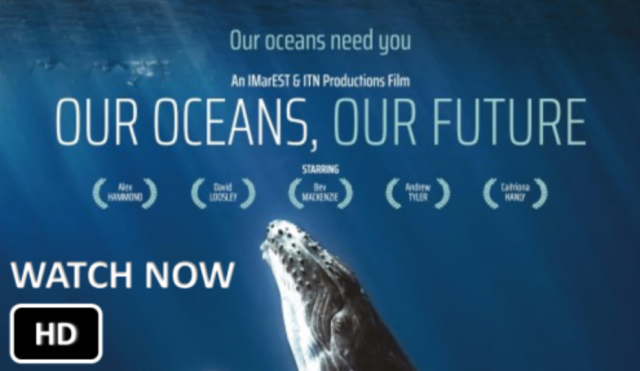
Our Oceans: Our Future
A new industry film draws attention to the challenges facing the ocean and showcases stories of science, innovation and sustainability that are transforming the marine sector.
Ocean opportunities
- The Partnership for Observation of the Global Ocean (POGO) is issuing an open call for applications from any early career scientists involved in oceanographic work at centres in developing countries and countries with economies in transition.
- The Conservation Finance Alliance Incubator is seeking applications (5 grants of $25,000 available).
- The Ocean Innovation Challenge is looking for innovative solutions to counter ocean pollution.
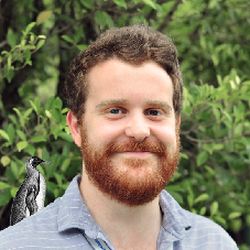
Written this week by Glen Wright. Glen is a researcher studying marine governance, the high seas, and ocean energy. He is a drinker of tea, lover of the sea, and an Oxford comma user. Glen recently published Academia Obscura: The Hidden Silly Side of Higher Education.
Enjoy Reading This Article?
Here are some more articles you might like to read next: