24 July 2020 — On the box
Sent 24 July 2020. Part of Little Blue Letter.
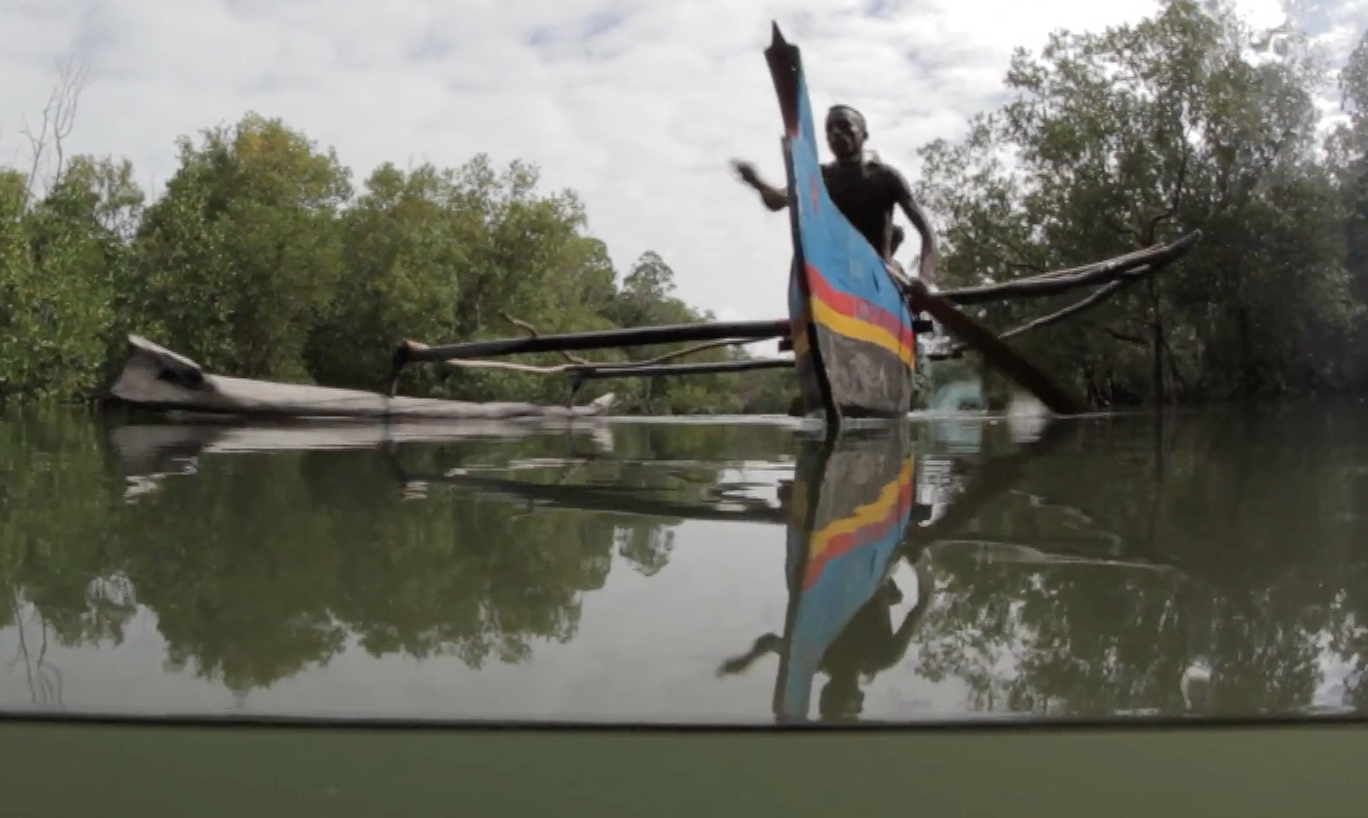
 “We inherited these mangroves from our ancestors.
They provide us with the materials and resources we need to survive.
I want to make sure we can pass these forests on to our children"
~ Mr. François, member of Velondriake locally managed marine area (LMMA)
President of the Dina (local governance) Committee, southwest Madagascar
Supertrees between land and sea
This Sunday marks the International Day for the Conservation of the Mangrove Ecosystem 🌱🌿 Mangroves offer myriad of benefits to both people and nature: they act as a barrier between villages and the ocean in the face of tropical storms and rising sea levels, they are a vital habitat for creatures great and small, and they provide a foundation for coastal livelihoods and food security for isolated communities.
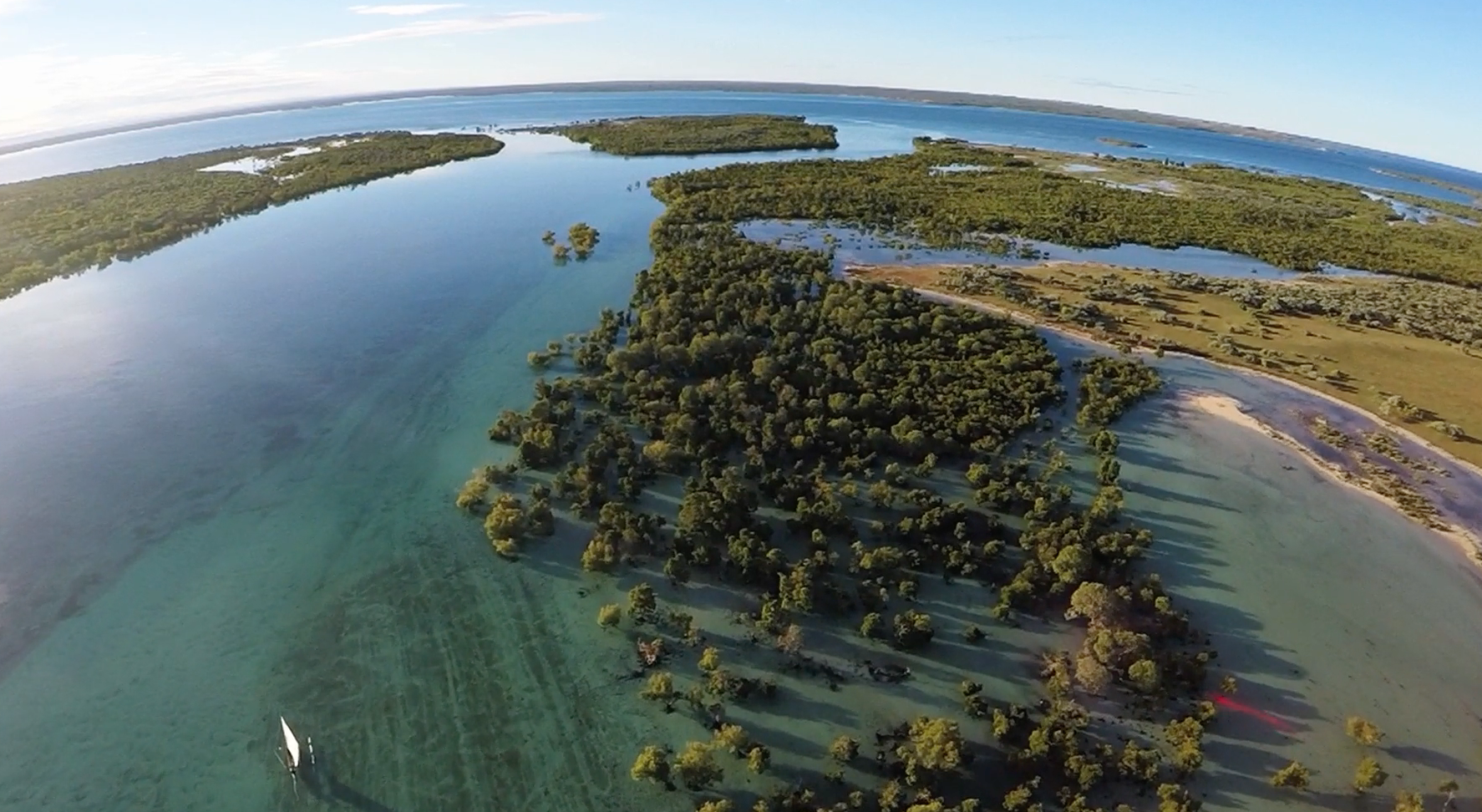
The vibrant mangroves of southwest Madagascar
© Louise Jasper, Blue Ventures
But mangroves have one more trick up their sleeve… they can absorb CO2 from the atmosphere, making them one of the most effective natural climate change solutions available. Despite this, they are being deforested at an alarming rate, threatening both the lives of the communities who depend on them and the fate of our environment.
New research from Madagascar proves the huge value of mangroves, and their ability to lock away CO2 in the face of the climate crisis – supporting international calls to emphasise their conservation. Even reforested mangrove soils can take decades to restore to health, and to counterbalance the increased amount of CO2 lost from these degraded soils, at least 4.5 hectares of mangroves would need to be replanted for every 1 hectare deforested to come close to matching the CO2 stored over a ten year period. Keeping mangroves in the mud must be a priority!
- You can learn more about this research in this video.
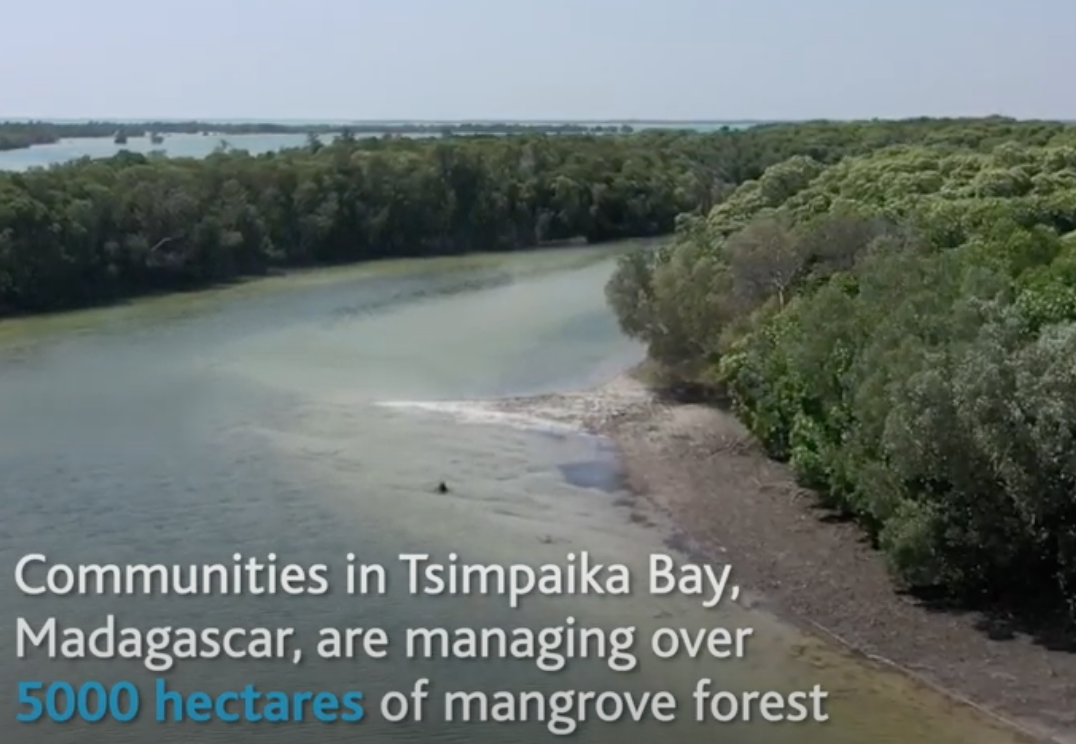
- Find out how communities are leading conservation efforts in Madagascar in this short film.
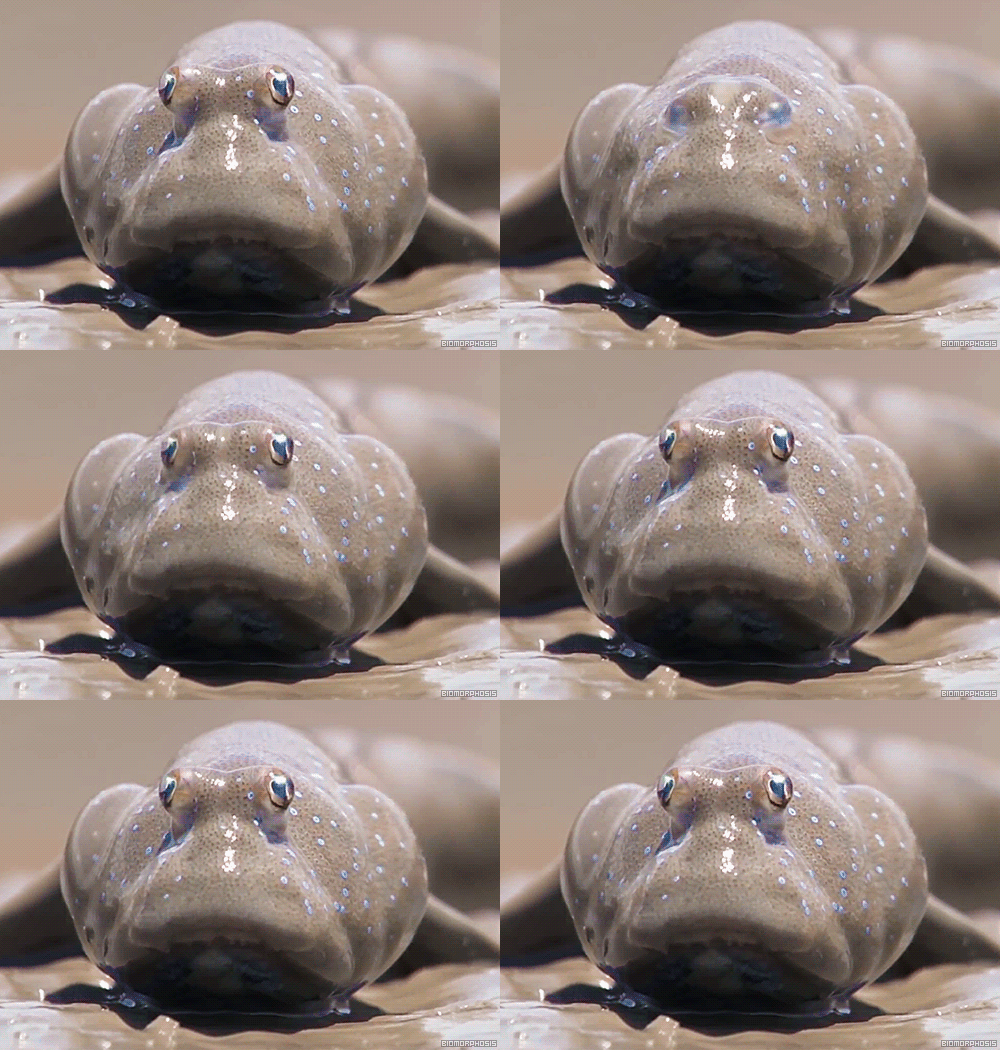
Gif of the week
you’ll no doubt come across one of these slippery fellas… a mudskipper!
- Research published last week shows that mangrove restoration offers a quick way to generate jobs, and provides returns of about $3 for every $1 spent, in the form of more productive fisheries and storm protection.
- Beyond the fringes of the mangroves, community-led marine reserves in southwest Madagascar have proven to increase fish biomass by 189% - or in other words, community conservation means plenty more fish in the sea! 🐟🐠🐡
-
Today! Webinar at 3pm EAT on implementing mangrove restoration projects. The event marks the launch of new guidelines for mangrove restoration in the West Indian Ocean.
-
Next Wednesday 29th July, experts from Madagascar and Indonesia will discuss the potential of community-led mangrove conservation in this interactive online discussion. It’s the first in Blue Ventures’ new webinar series, Toko telo, which aims to share experiences to foster better community-led conservation.
Mangroves are home to a stunning array of wildlife, from tiny juvenile fish to leaping lemurs. In episode three of the BBC’s series 'Primates', SEED Madagascar's Trustee, Dr Heri Andrianandrasana, showcases his incredible work using drones and heat sensing as a conservation tool for the critically endangered Lac Alaotra Gentle Lemur. So sit back, relax and watch the full episode here.
From the editor
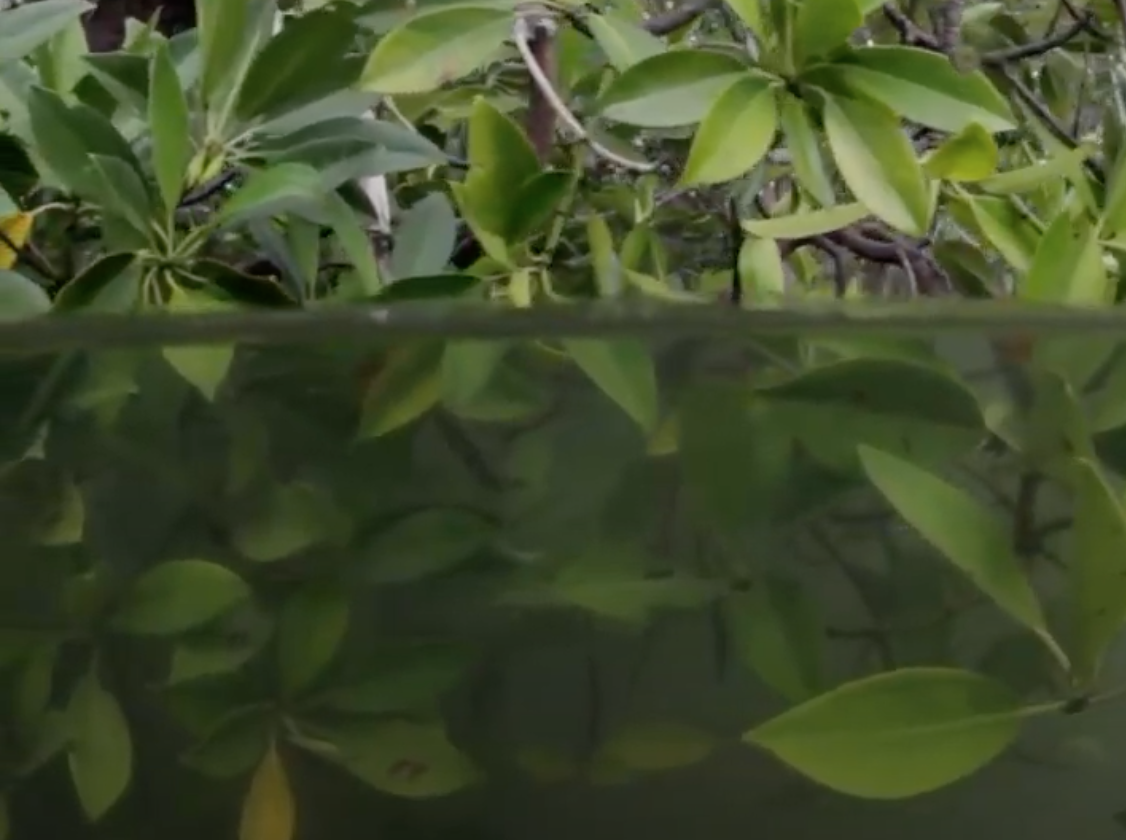
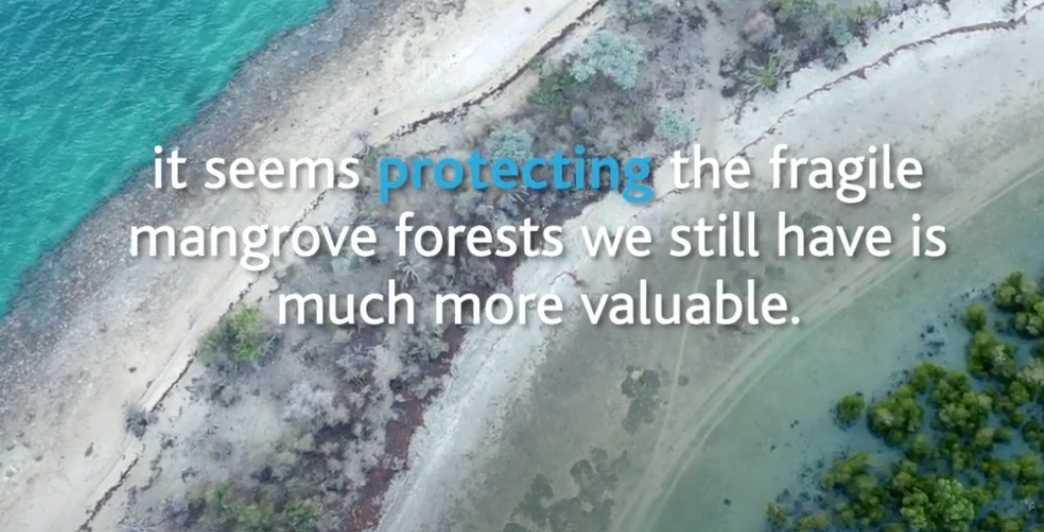
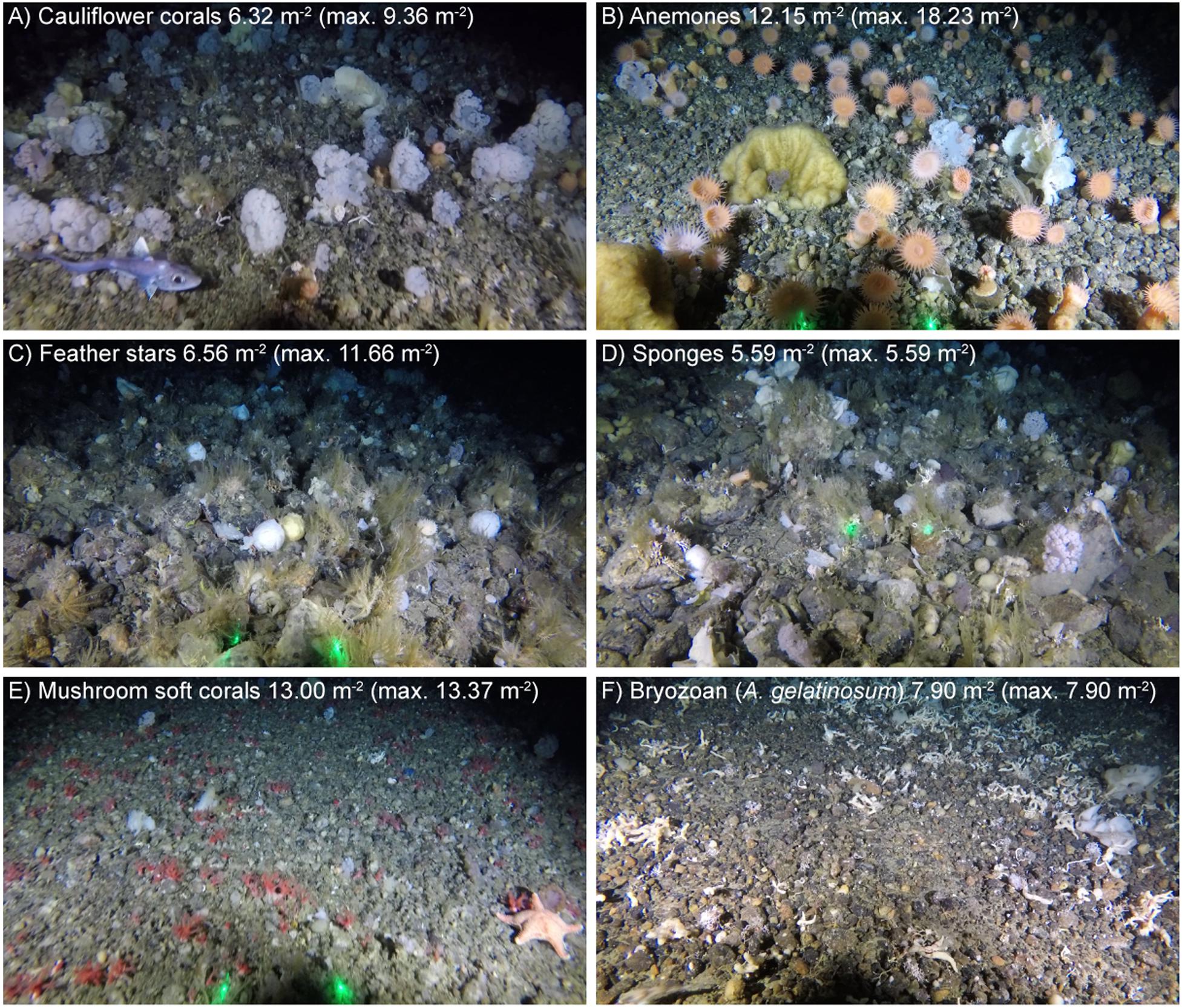
The two videos linked above are beautiful and definitely worth taking 10 minutes out of your day to watch :) Some screenshots:
Kerensa and Ngaio are part of the Communications team at Blue Ventures,
a community-focused marine conservation organisation working across the coastal tropics.
Glen recently published Academia Obscura: The Hidden Silly Side of Higher Education.
Enjoy Reading This Article?
Here are some more articles you might like to read next: