20 November 2020 — World Fisheries Day 🎣🦐🐟
Sent 20 November 2020. Part of Little Blue Letter.
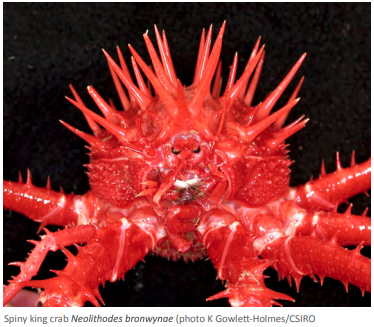 "If you cannot catch a fish, do not blame the sea."
~ Greek Proverb
World Fisheries Day 🎣🦐🐟
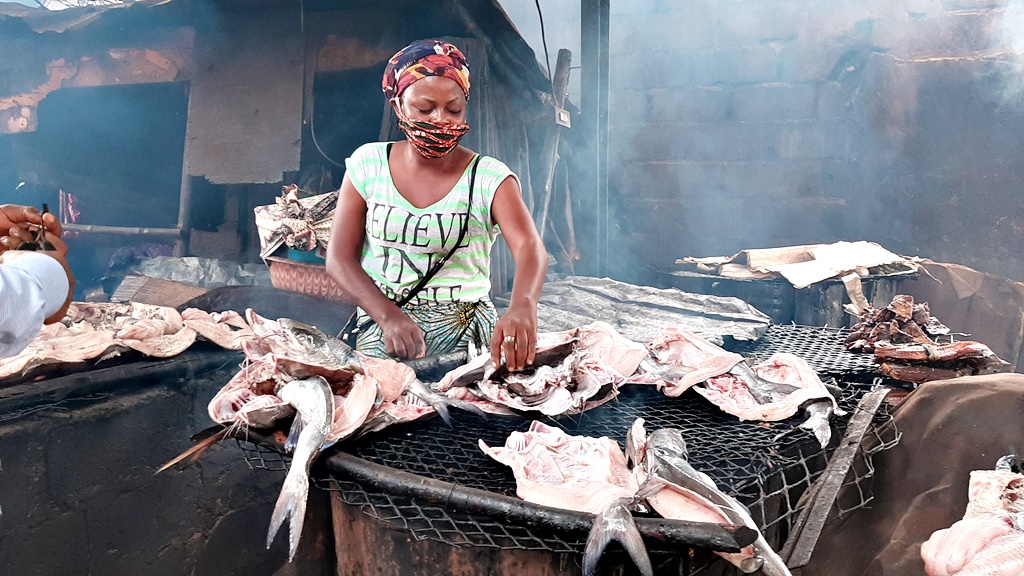 From the archives…
On 21 November 1997, men and women representing artisanal fishing communities from 32 different countries came together to celebrate the first World Fisheries Day. They called for sustainable fishing policies and practices, rooted in human rights and social justice. Since then, other organisations, including international ones like FAO, have jumped onboard celebrating small-scale fisheries profession and way of life.
From the archives…On 21 November 1997, men and women representing artisanal fishing communities from 32 different countries came together to celebrate the first World Fisheries Day. They called for sustainable fishing policies and practices, rooted in human rights and social justice. Since then, other organisations, including international ones like FAO, have jumped onboard celebrating small-scale fisheries profession and way of life.
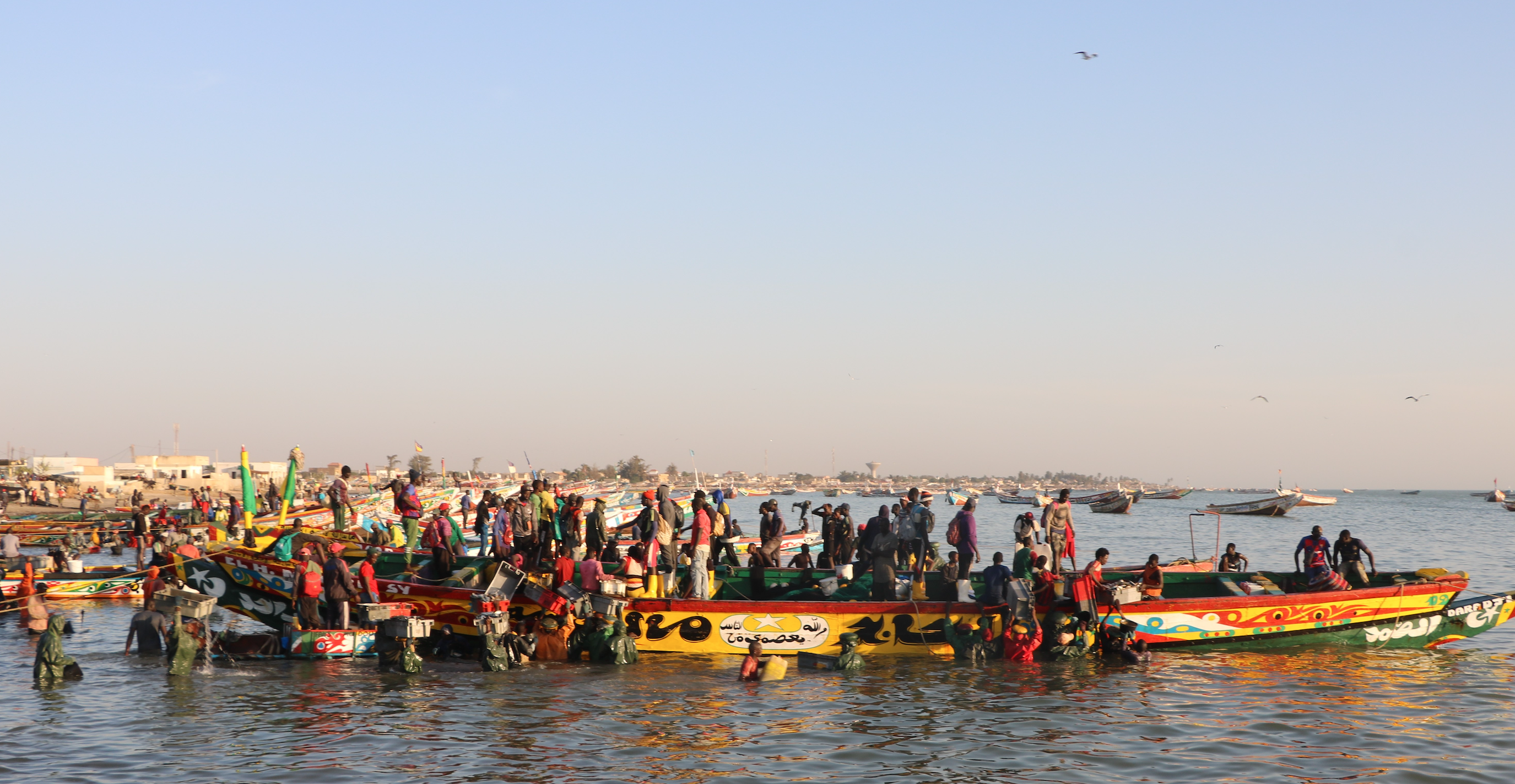 Small-scale fisheries, a snapshot
Out of the 120 million people working in fisheries, more than 90% work in artisanal fisheries, and approximately half of them are women. Since most of their catches and landings are locally consumed, small-scale fisheries (pre-harvest, harvest and post-harvest) play an essential role in food security and nutrition, poverty eradication, sustainable development and management, especially in developing countries.
 International recognition
In 2014, the drafting of the FAO Voluntary Guidelines for securing Sustainable Small-scale Fisheries, resulting from a bottom-up participatory process, helped shed more light upon this until now neglected sector and act as a guide for dialogue and policy development of artisanal fisheries at national level.
Women in fisheries
Women play a key role in fisheries, and particularly in small scale fisheries, either in Africa, Indian Ocean, or the Pacific. By making fish products – a source of proteins, fatty acids, vitamins and minerals – available at affordable cost to the population, including the poorest and those living far from the coasts, women working in artisanal fisheries sector contribute significantly to food security.
The International Collective in Support of Fishworkers (ICSF) has worked for more than 20 years so that the work of women in the sector was recognised. You can find out more on their Yemaya newsletter on Gender and Fisheries.
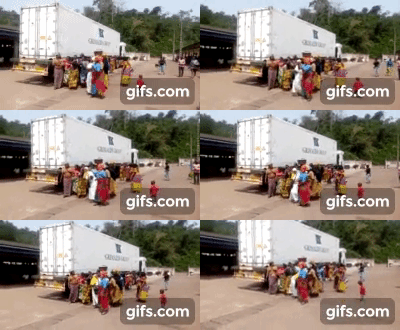
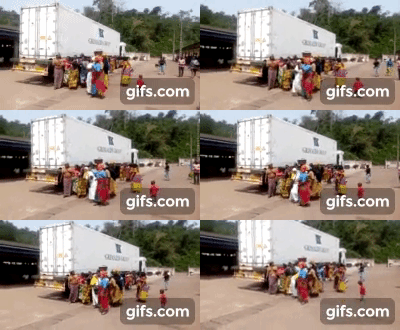
Ivorian Coast women fish processors celebrate the arrival of a refrigerated container which they will use for fish conservation. Read the whole story of these Ivorian women here.
On the box 📺
Join the conversation 📣
After several years of advocacy by fisherfolk organisations, the UN General Assembly declared 2022 the International Year of Artisanal Fisheries and Aquaculture. The aim is to attract the world’s attention to the role of small-scale fishers and fish farmers in food security and poverty eradication and to enhance dialogue between the different actors from the local community to the international fora. Stay tuned!
- In South Africa, the Abalobi app is helping fishermen keep record of their catches while it connects them directly to buyers such as restaurant chefs, avoiding abusive middlemen and allowing them to get a better price for their products.
- Mathilde Jounot, a film maker, explains in La voix des invisibles the privatisation of oceans to the detriment of small-scale fishermen. Is the protection of the environment the only objective of certain environmental NGOs? Do they have other ambitions on the oceans?
Join the conversation 📣
After several years of advocacy by fisherfolk organisations, the UN General Assembly declared 2022 the International Year of Artisanal Fisheries and Aquaculture. The aim is to attract the world’s attention to the role of small-scale fishers and fish farmers in food security and poverty eradication and to enhance dialogue between the different actors from the local community to the international fora. Stay tuned!
Little Blue Letter was Curated this week by Beatrice Gorez and Joëlle Philippe.
Beatrice and Joëlle are part of the team at Coalition for Fair Fisheries Arrangements (CFFA-CAPE), a platform of European and African-based organisations organizations that raises awareness about the impacts of the EU-Africa fisheries arrangements on African artisanal fishing communities.
Beatrice and Joëlle are part of the team at Coalition for Fair Fisheries Arrangements (CFFA-CAPE), a platform of European and African-based organisations organizations that raises awareness about the impacts of the EU-Africa fisheries arrangements on African artisanal fishing communities.
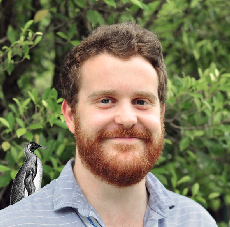
Editing etc. by Glen Wright. Glen is a researcher, drinker of tea, and lover of the sea.
He recently published Academia Obscura: The Hidden Silly Side of Higher Education.
He recently published Academia Obscura: The Hidden Silly Side of Higher Education.
Enjoy Reading This Article?
Here are some more articles you might like to read next: