17 December 2020 — Drift gillnets to be phased out in California
Sent 17 December 2020. Part of Little Blue Letter.
 “There is a pleasure in the pathless woods,
There is a rapture on the lonely shore,
There is society, where none intrudes,
By the deep Sea, and music in its roar:
I love not Man the less, but Nature more"
~ Lord Byron
Drift gillnets to be phased out in California
The swordfish and thresher shark fishery in California will be phasing out the use of drift gillnets over the course of the next four years. Drift gillnets can be more than a mile long and reach up to 60 m (200 ft) depth from the sea surface. They are often left overnight, resulting in entanglement of various non-target species.
Around 60% of the species caught by the driftnet fishery are listed as threatened or endangered by the IUCN. The law that was passed this week aims to replace the drift gillnets with deep-set buoy gear, which will be baited for swordfish and signal to fishermen when a bite is detected. Trials of the deep-set buoy gear have shown catch consisting of over 80% swordfish compared with traditional drift gillnet gear. Under the new law, fishermen will receive a $100,000 one-off payment to surrender their nets to be destroyed, and if they choose to surrender their permit a further $10,000.
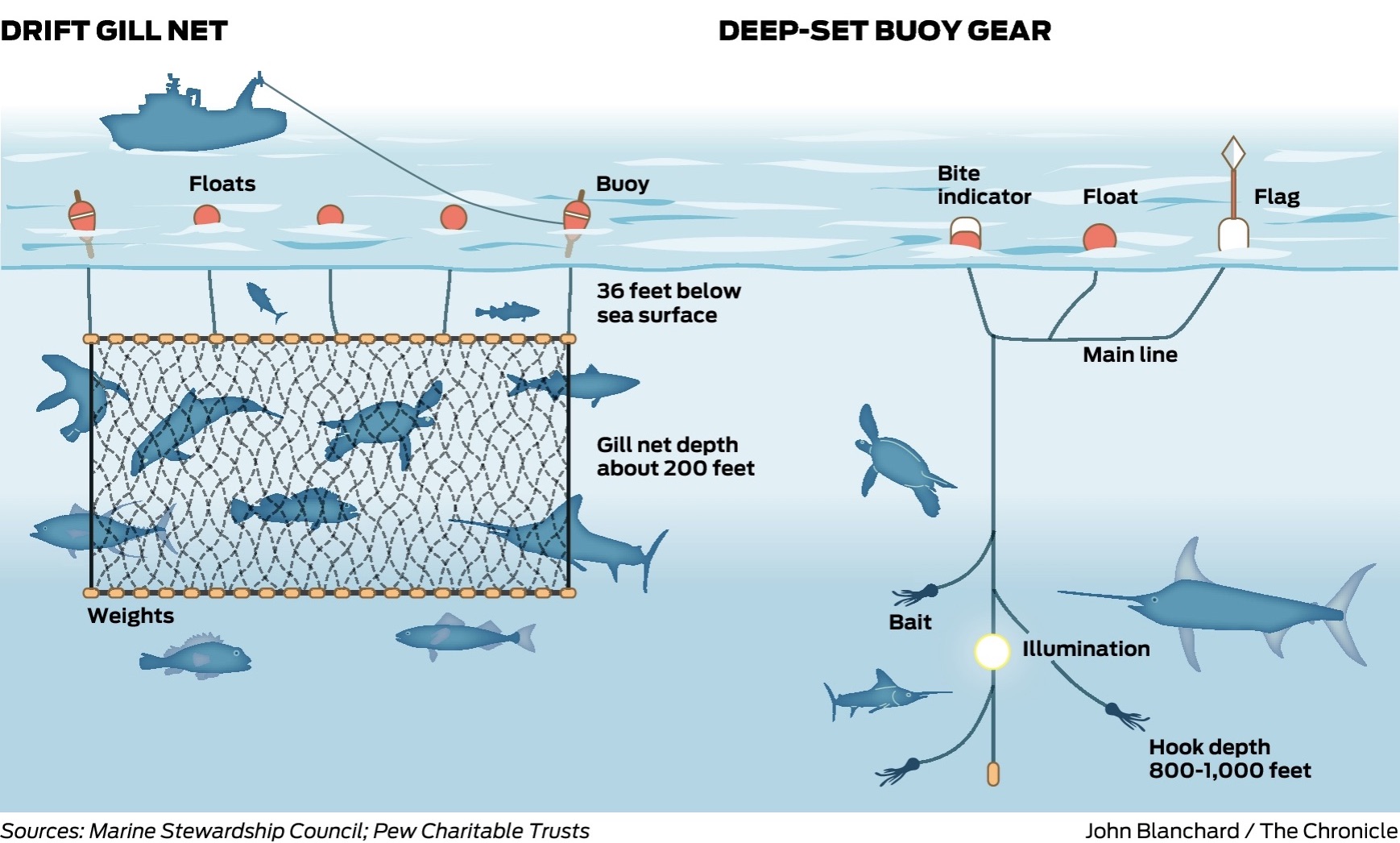
Showing the increased selectivity of the new deep-set buoy system when compared with the drift net gear.
© San Francisco Chronicle
© San Francisco Chronicle
Gif of the week

Happy Holidays from the Christmas tree worms!
OceanOptimism
New species of beaked whale may have been discovered off the coast of Mexico. Three beaked whales were spotted north of San Benito Islands. Upon closer inspection of photo ID scientists realised that one of the animals did not present characteristics matching any of the described species of beaked whales. Water samples were taken to use eDNA for confirmation of the species identity.

© Sea Shepherd/CONANP
Making Black (Women’s) Lives Matter in Marine science
Dr Amelia Moore’s poignant and illuminating essay on the conspicuous absence of women of colour from the field of Marine Science is recommended reading for any young scientist. #BlackinMarineScienceWeek and other initiatives have been improving the visibility of BIPOC in the field. However, we have to go much farther in order to increase accessibility. The onus and responsibility for that should not fall on the shoulders on the marginalised, it’s up to us. You can start by reading this.
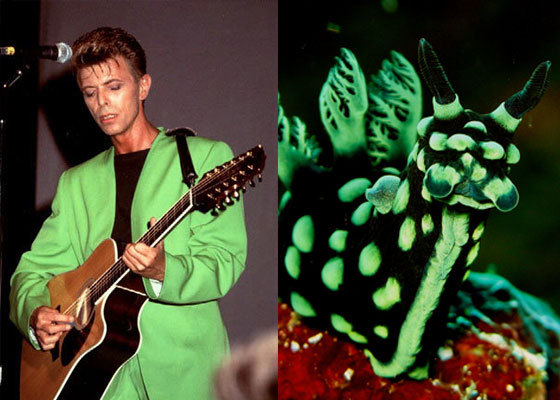
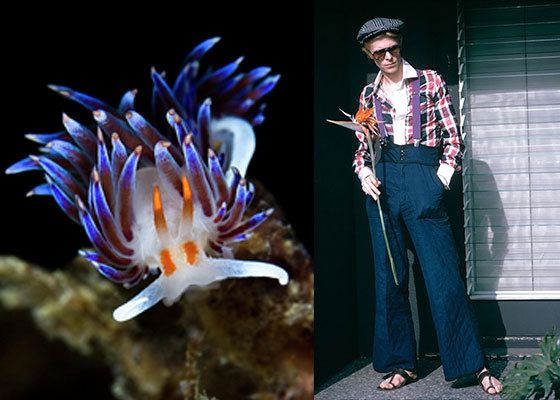
Nudibranchs that look like David Bowie
Books to inspire the next generation of marine biologists
I always struggle getting gifts for the children in my life - what does my 10-year old cousin want anyway? So, I often try to get them books, boring but rising from the fact that when I was their age the stories and books available were classic but limiting. The list compiled here showcases the best of the books available to inspire awe and understanding of the ocean.
From the editor
Curious cases from the diatom detectives. Huge new report analysing over 3,300 Marine Protected Areas (MPAs) in Europe and their level of protection (or lack thereof) against different threats. Namibian hake fishery is second in Africa to be MSC-certified.
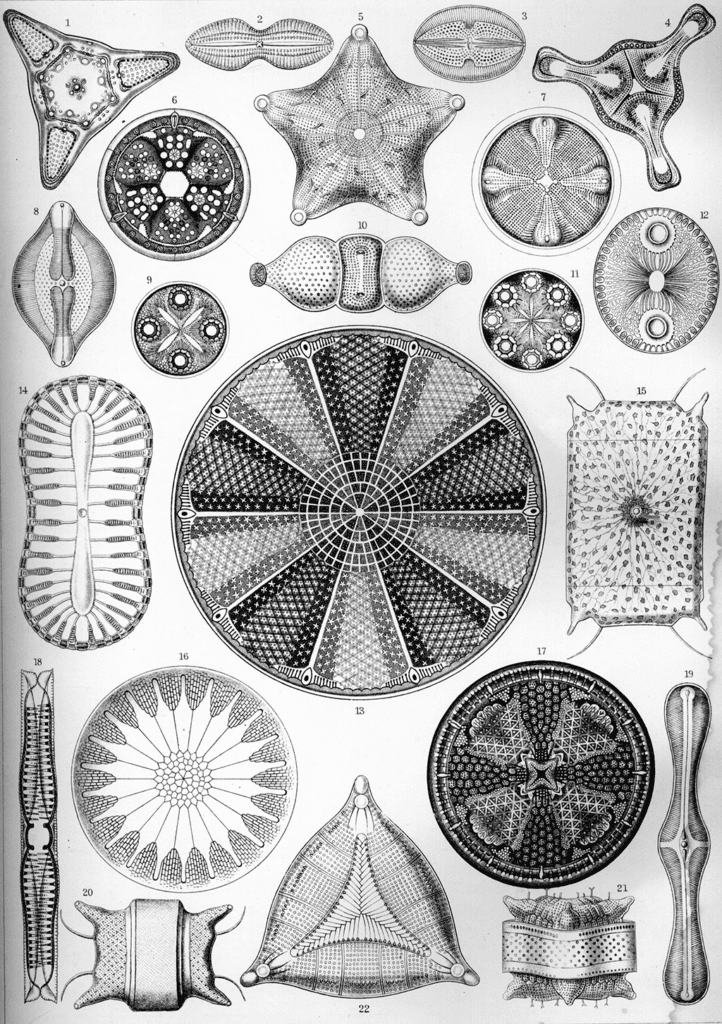
Diatoms, Art Forms in Nature by Ernst Haeckel | Wikimedia Commons
 Little Blue Letter was curated this week by Irina Chemshirova. Irina is a PhD student at the Falkland Islands Fisheries Department and GEOMAR, Kiel. However, she rarely manages to be both places at once. Her study animal is Illex argentinus, she is investigating the delimitation of the stocks through various methods such as trace element analysis and RADseq DNA sequencing.
Editing etc. by Glen Wright, a researcher studying marine governance.
Glen is a drinker of tea, lover of the sea, and an Oxford comma user.
He is the author of Academia Obscura: The Hidden Silly Side of Higher Education.
Glen is a drinker of tea, lover of the sea, and an Oxford comma user.
He is the author of Academia Obscura: The Hidden Silly Side of Higher Education.
Enjoy Reading This Article?
Here are some more articles you might like to read next: